What to Look At First
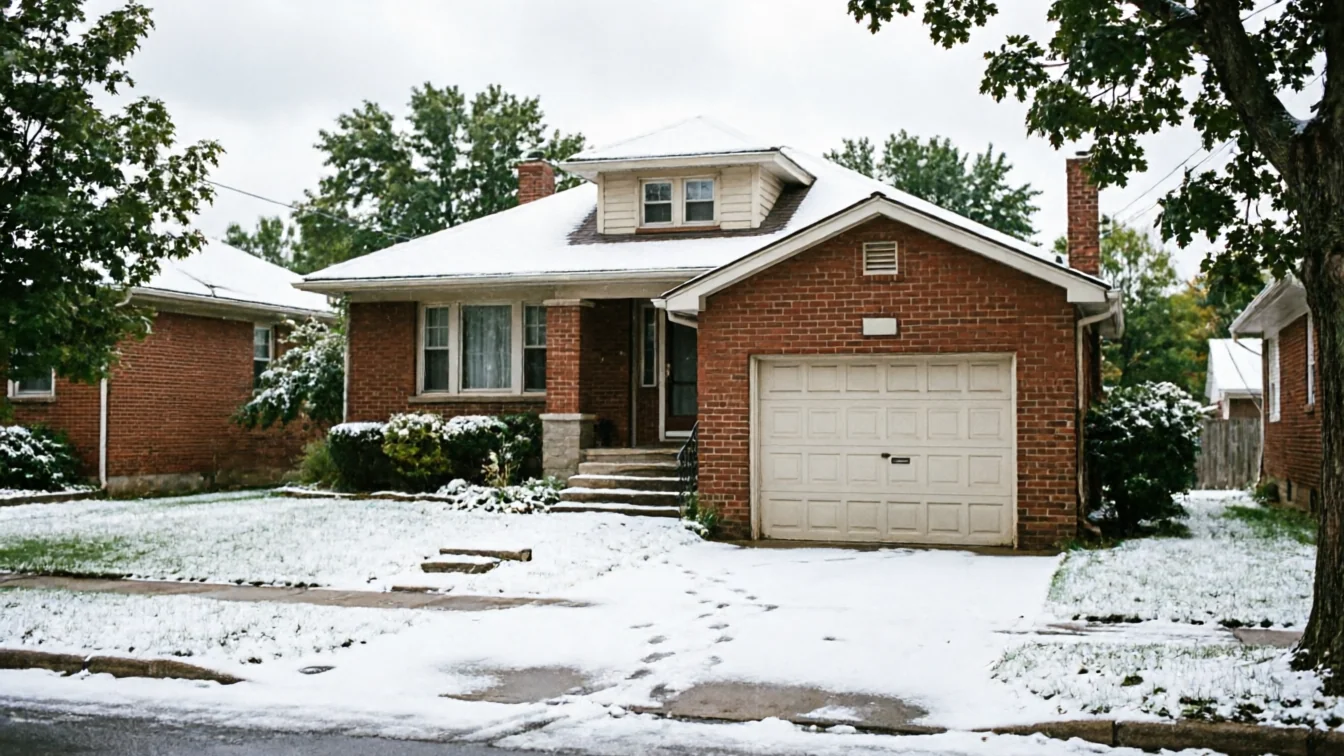
Most houses in this area went up between 1938 and 1994, with the median build year sitting around 1962. That matters more than people think. A door and opener installed on a house from that era were built to a different standard than what's sold today, and a lot of original hardware is still hanging on, quietly getting worse.
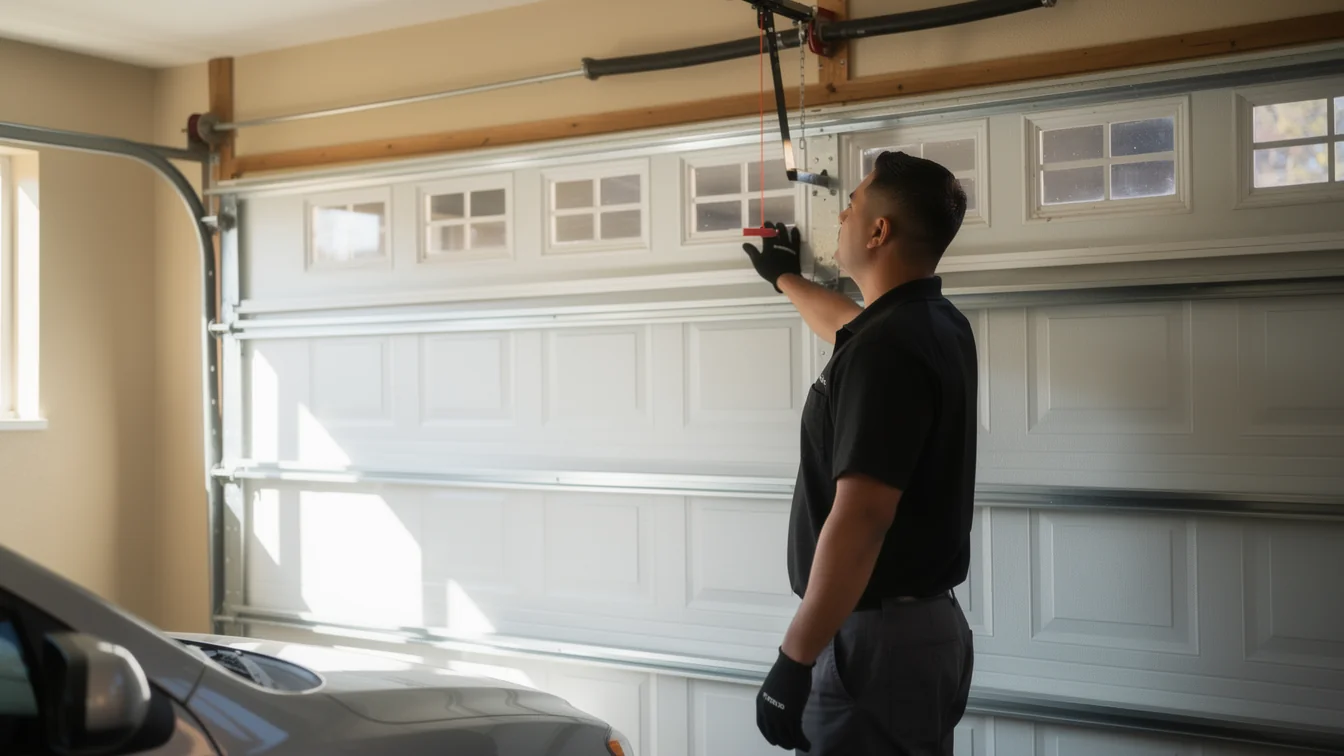
Start with the springs. On a torsion system from the 1960s or 70s, you're looking at steel that's cycled tens of thousands of times with no inspection. Check for a gap in the coil, rust flaking off when you touch it, or a spring that looks stretched compared to its mate. Then look at the track bolts - on houses this age, they're often the original fasteners, and vibration loosens them over decades, not months.
The opener is the other tell. If the house still has its first-generation chain drive from decades of upgrades back, the drive gear is plastic and it wears. You'll hear it before you see it: a grinding rattle right as the door starts moving. None of this means panic. It means you walk out, look, and know what you're looking at before you decide anything.
Leaving It Alone
Not every noise is a job. A door that groans once in cold weather and then runs fine isn't broken - it's steel contracting, same as it's done every winter since the house was built. Chasing every creak with a repair call wastes your money and our time.
Here's the honest limit: if your rollers are original nylon from a 1960s or 70s install and they're just noisy, not cracked or chipped, lubricating them is enough. Replacing a whole roller set on a door that otherwise runs straight and level is a job for when something actually fails, not before. We won't talk you into work a door doesn't need yet.
Same goes for cosmetic wear on panels from this era - dents, faded paint, chalky steel. None of that is a safety issue. It's a look-at-it-when-you're-ready issue. Save the call for when the door won't open, won't stay up, or the spring visibly separates.
What Local Conditions Do
This area sits in a cold climate band with severe winter conditions, and that changes how a garage door ages here compared to somewhere milder. Steel contracts in deep cold, which is why torsion springs on houses built before insulation codes tightened up tend to lose tension faster than the manual says they should. The metal is working harder every winter than it was designed for when it went in.
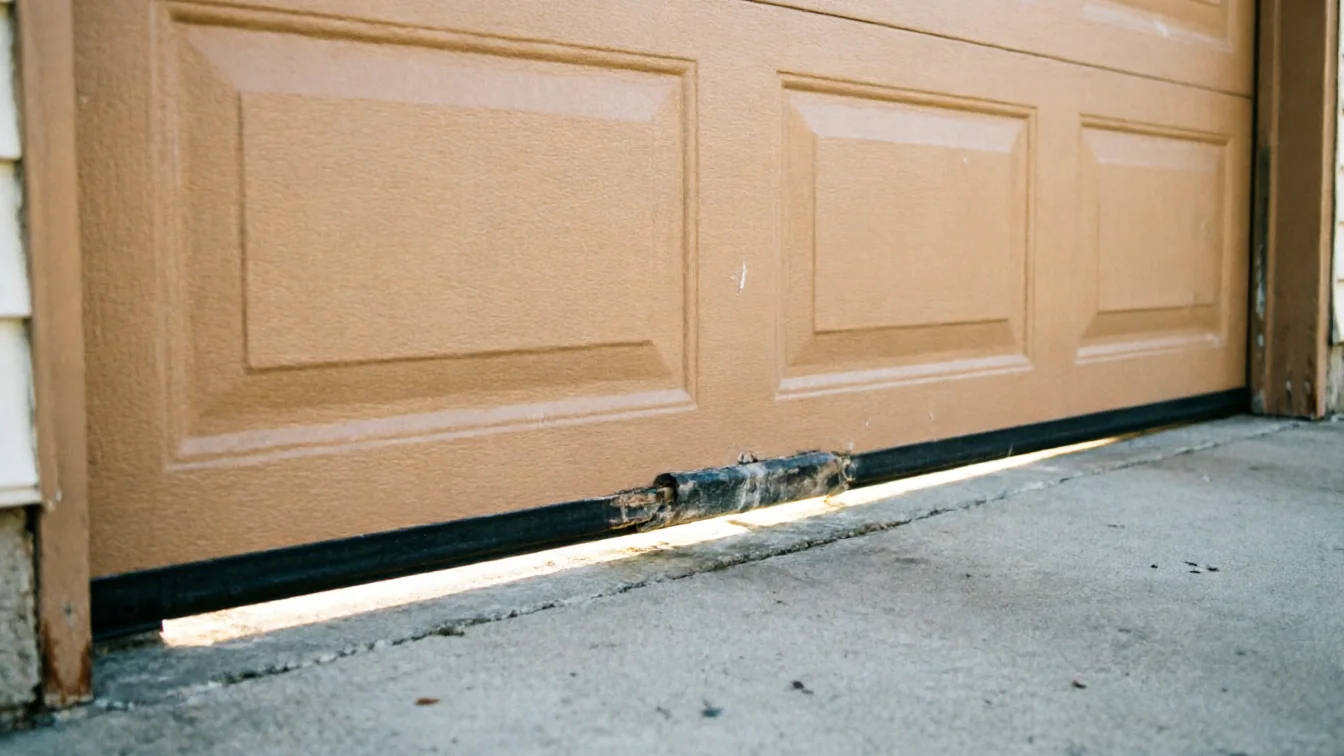
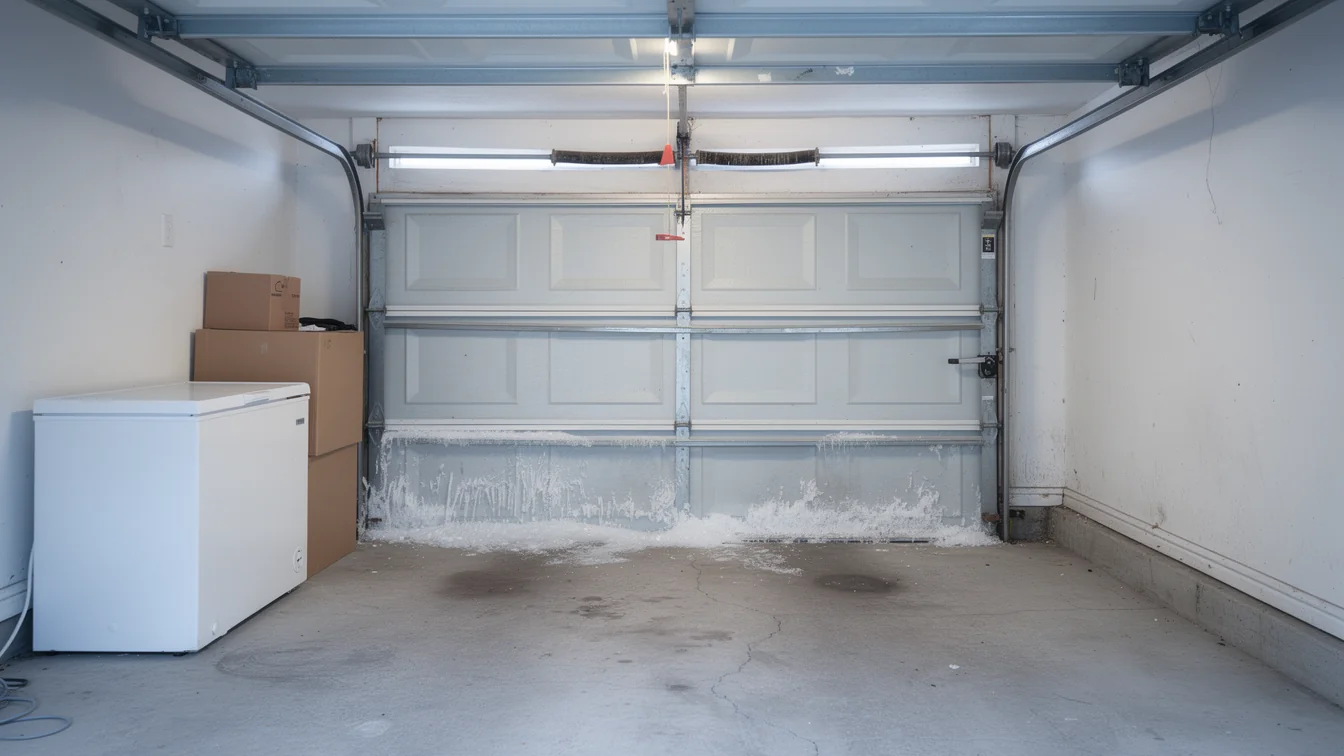
Temperature swings also hit the weatherstripping first. On a door with original bottom seal from a 1960s-era build, repeated freeze and thaw cracks the rubber faster than UV does. Once that seal splits, cold air gets under the door and the opener has to pull harder on every cycle - which shortens the life of the drive gear and the spring both.
If your garage shares a wall with living space, which a lot of houses from this period do, a failed seal isn't just a garage problem. It's a heating bill problem too.
What Is Going On
Put the pieces together and the pattern is pretty consistent across homes in this area: a median build year around 1962, original or near-original torsion hardware, and decades of severe cold cycling that steel and rubber weren't engineered to handle gracefully. That's not a guess about any one house - it's what you'd expect to find opening a garage door built to the codes and materials of that era.
With median household income in this area at $70,132 across roughly 29,736 owner-occupied houses, most people here are weighing a repair against a replacement on a real budget, not an unlimited one. That's worth saying plainly: a spring job on a door that's otherwise sound is almost always the better call than replacing the whole unit. Replacement makes more sense once the track is bent, the panels are cracked through, or the opener and springs are failing in the same year.
We work this area and the towns around it - Greentown, Uniontown, Hartville, Louisville, and the rest within a short drive - and the housing stock runs similar across most of them.
Talk to a local pro
Garage door trouble in North Canton?
Same-day service with honest, upfront quotes.