What to Look At First
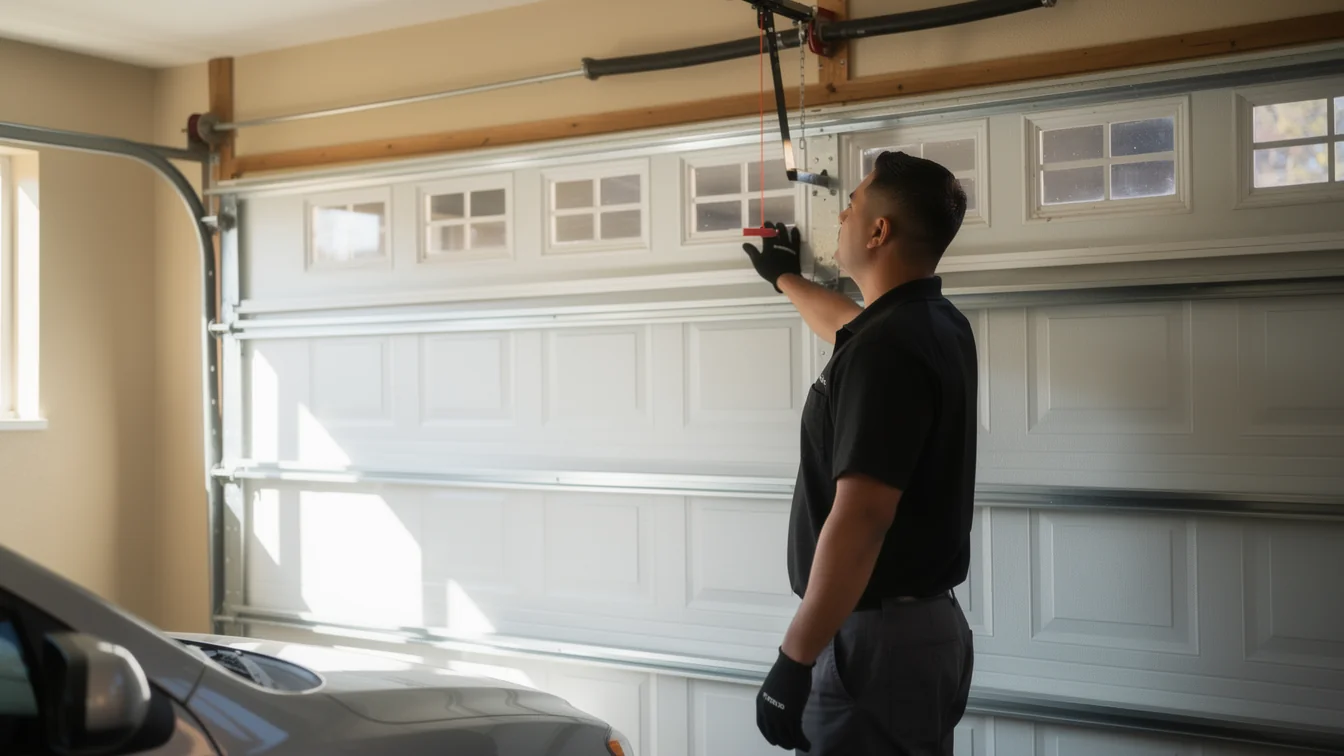
When a tech gets out of the truck, the first stop is the spring system, not the opener. Most houses in this part of Ohio went up between 1938 and 1994, with the heaviest concentration in the 1960s and 70s, and that era of construction came with torsion springs sized for lighter steel doors than what's sold today. So the first look is at the spring wire gauge and the drum, then the cables running down to the bottom brackets, then the rollers and track alignment. On a lot of these houses the track was never upgraded when the door was replaced once or twice over the decades, so a newer door can be fighting an old track that's slightly out of plumb. We check hinges for stress cracks, check the bottom seal for compression damage, and run the door by hand with the opener disconnected to feel where it binds. That hand-run test tells you more about the real condition of a door than watching it run on the opener ever will, because the opener will mask a spring that's losing tension long after a hand-operated door would have told you.
We also check the opener's force settings against the door's actual weight, since swapped panels or added insulation over the years change that number without anyone adjusting the opener to match.
Leaving It Alone
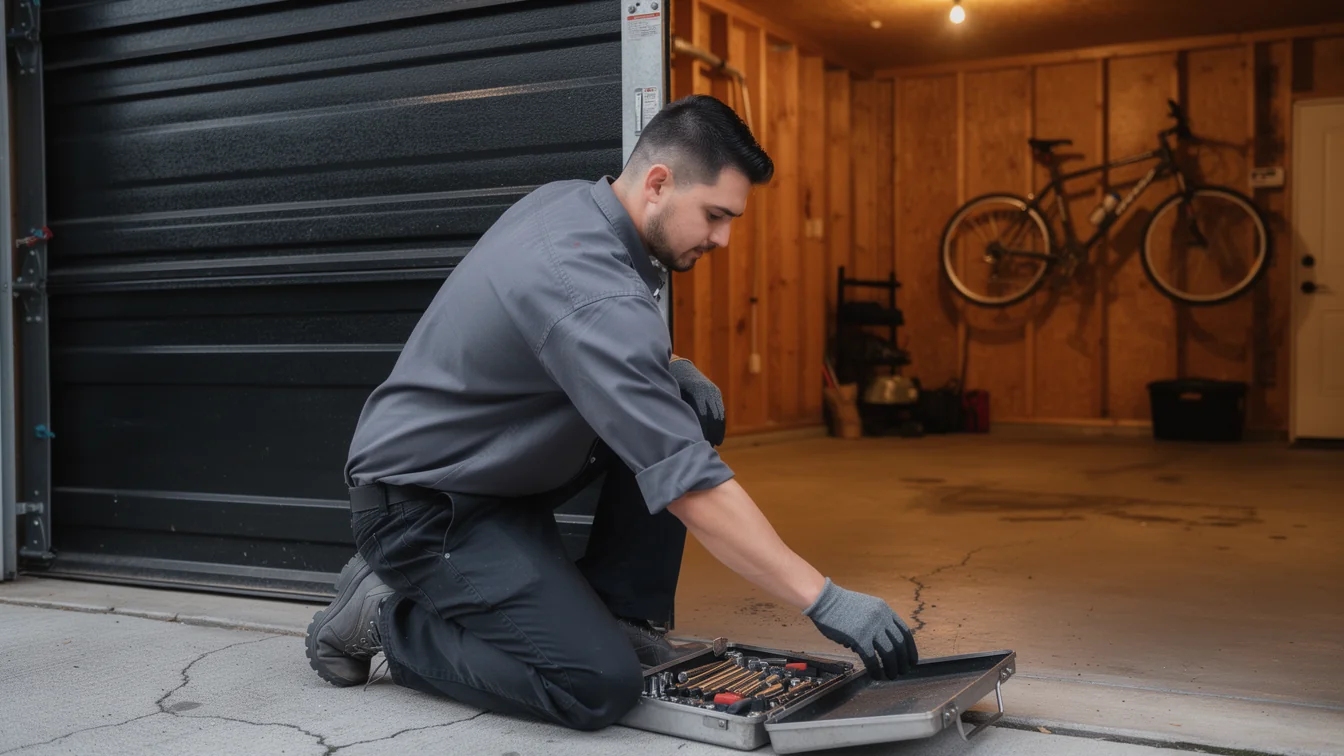
Here's the honest part: not every call needs a full tune. If a door is sixty years old, running on the original torsion spring, and the owner just wants the noise fixed, sometimes the right answer is lubricate the rollers and hinges, tighten the track bolts, and leave the spring alone if it's still holding tension evenly. Replacing a spring that isn't broken just because it's old is a way to run up a bill on a part that had years left in it. The flip side: a torsion spring is under real load, and we don't let an owner adjust or replace one themselves on a service call where we're already on site watching the setup. That's not us protecting a markup, that's a wound-up spring that can take a hand off if the winding cone slips.
We also don't try to force a 1960s door assembly to match current opener safety standards it was never built around. If the hardware is too far gone to bring up to a safe baseline, we say so instead of patching it and billing for a patch. A service call should end with either a working door or a clear reason why it's a replacement job, not a vague "it's fine for now."
What Local Conditions Do
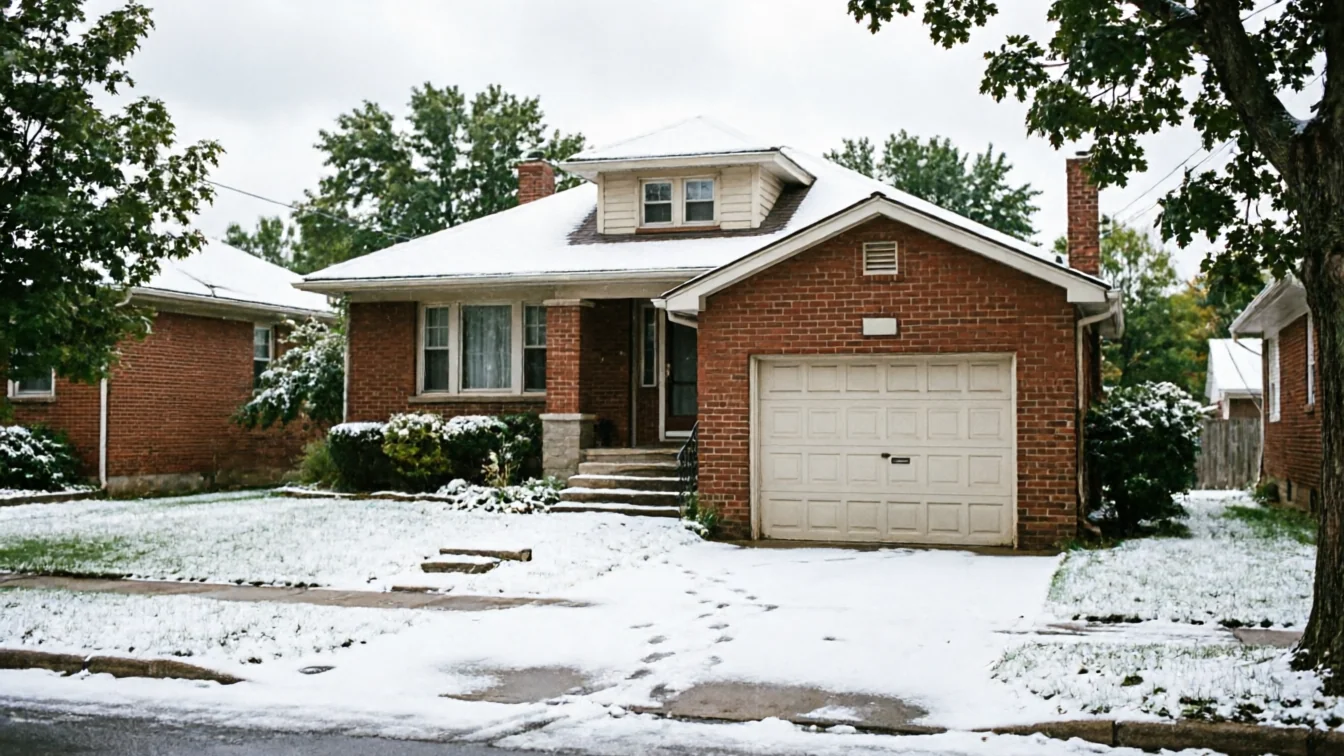
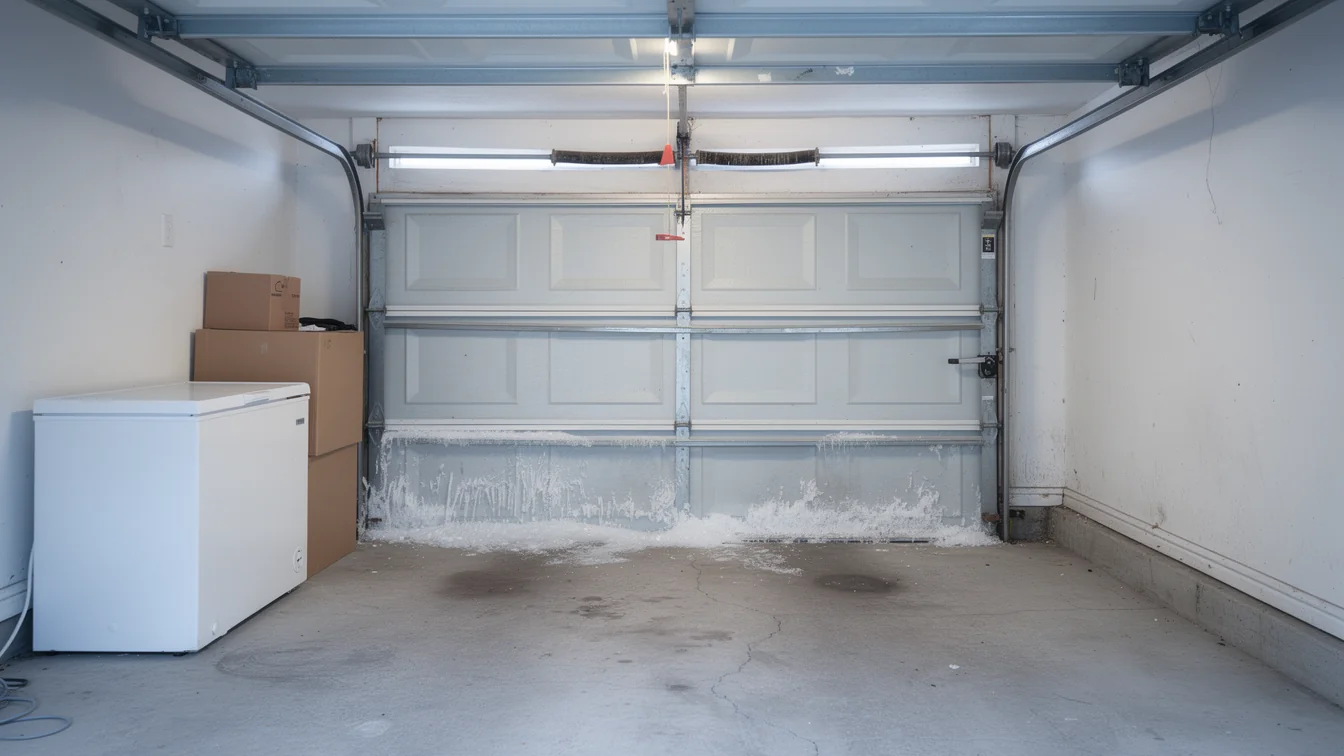
This area sits in a climate band classed as cold and severe, and that shows up in specific ways on a service call. Steel torsion springs lose a bit of tension as grease inside the coil stiffens in cold temperatures, which is part of why doors that open smoothly in September start sagging or jerking by January. Bottom seals that were fine all summer shrink and pull away from the slab once temperatures drop, letting in drafts and debris. Track lubricant that was the right viscosity in warmer months can gum up and slow the rollers when it's cold enough. None of that is a defect in the door, it's what happens to steel and rubber and grease in this climate, year after year.
So part of a winter service call is swapping to a lubricant rated for the cold rather than whatever was on the shelf, and checking spring tension again once temperatures have actually dropped, since a spring set in October can read differently by February. It's a small adjustment, but skipping it is how a door that worked fine in fall starts struggling in deep winter.
What Is Going On
Put the housing stock and the climate together and you get a pretty consistent pattern across this service area. The mid-century stock, repeated across the 27 communities we cover - from Greentown four miles out to Hartville and Louisville a bit further, down to Canal Fulton, Mogadore, and out as far as Orrville twenty miles south - means a lot of original hardware still in service, hardware that was never designed with a cold-severe climate's seasonal swing in mind. Add roughly sixty years of thermal cycling on steel springs and cables, and failures cluster in predictable spots: the torsion spring losing balance, cables fraying at the drum, rollers seizing in their brackets.
With 29,736 owner-occupied houses across the area and a median household income of $70,132, most of the calls we get are repair-first - fix the spring, true up the track, swap the seal - rather than a wholesale door replacement, unless the panels themselves are rusted through or the door's been limping along on a bent track for years. That's the actual math behind most service calls here: old hardware, real cold, and an owner who wants the door working again without paying for a new one if the old one's still got life in it.
Talk to a local pro
Garage door trouble in North Canton?
Same-day service with honest, upfront quotes.