
North Canton, OH
Garage Door Service for North Canton's 1960s-Era Homes
Garage door repair and tune-up service for North Canton homes built 1938-1994, where original hardware and cold winters wear springs and openers fast.
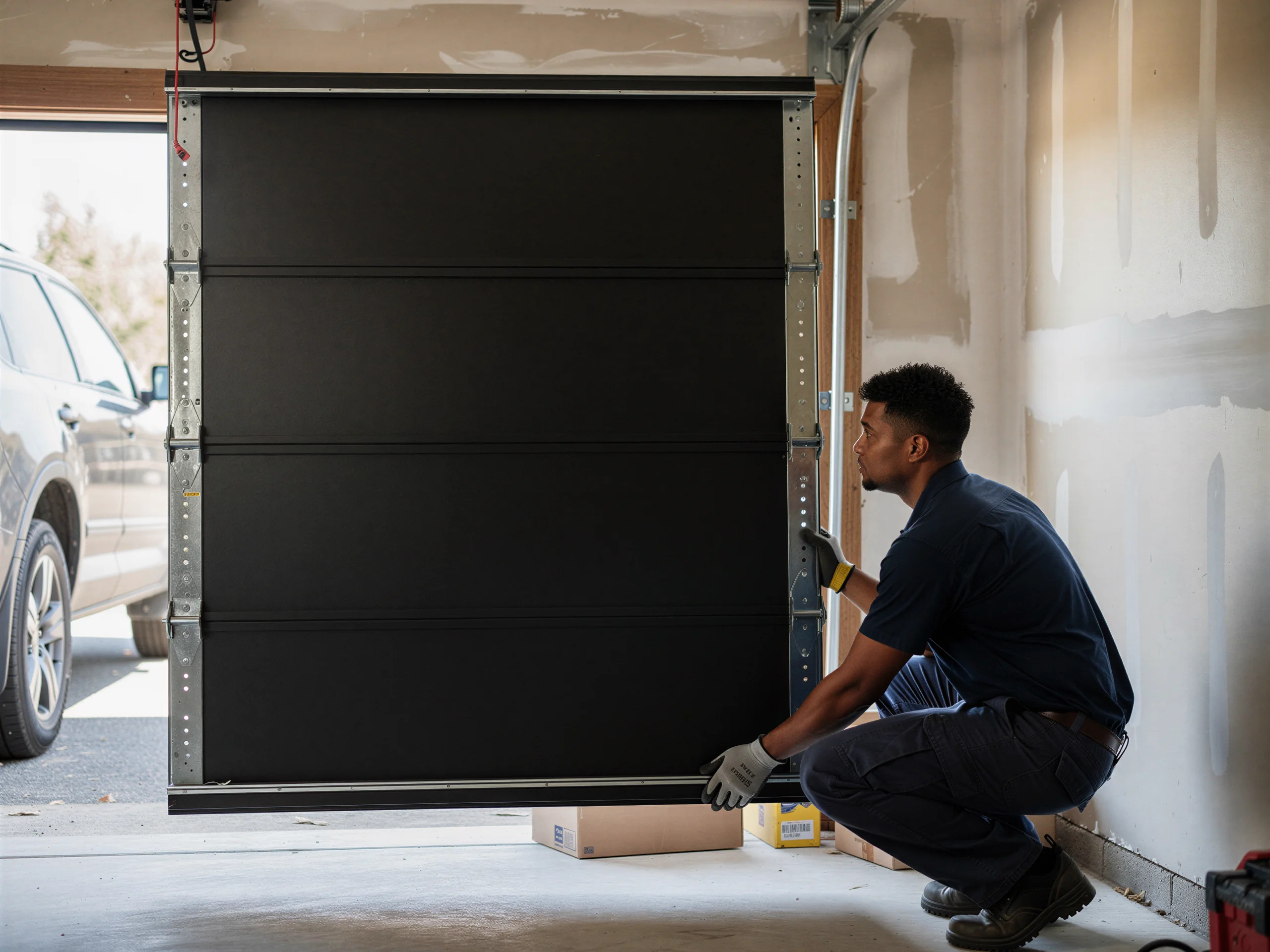
What You Pay
We don't post a flat number here because what a service call costs depends on what's actually wrong, and on a door this age in North Canton that varies more than people expect.
Bundled multi part repair costs
A torsion spring swap on a standard double door is one price. A spring swap plus a worn cable, a bent track, and a dead relay in an opener that's been fighting the same spring tension for three decades is a different job entirely, even though it started as the same phone call.
Full inspection first
What we can tell you is that the first thing we do on any call is a full inspection, not just a fix on the symptom you noticed.
Quotes follow on site look
A door that's binding at the bottom panel might be telling you the real problem is up at the torsion bar. We quote after we look, not before, because a phone-estimate on a house we haven't seen is just a guess with your money attached.
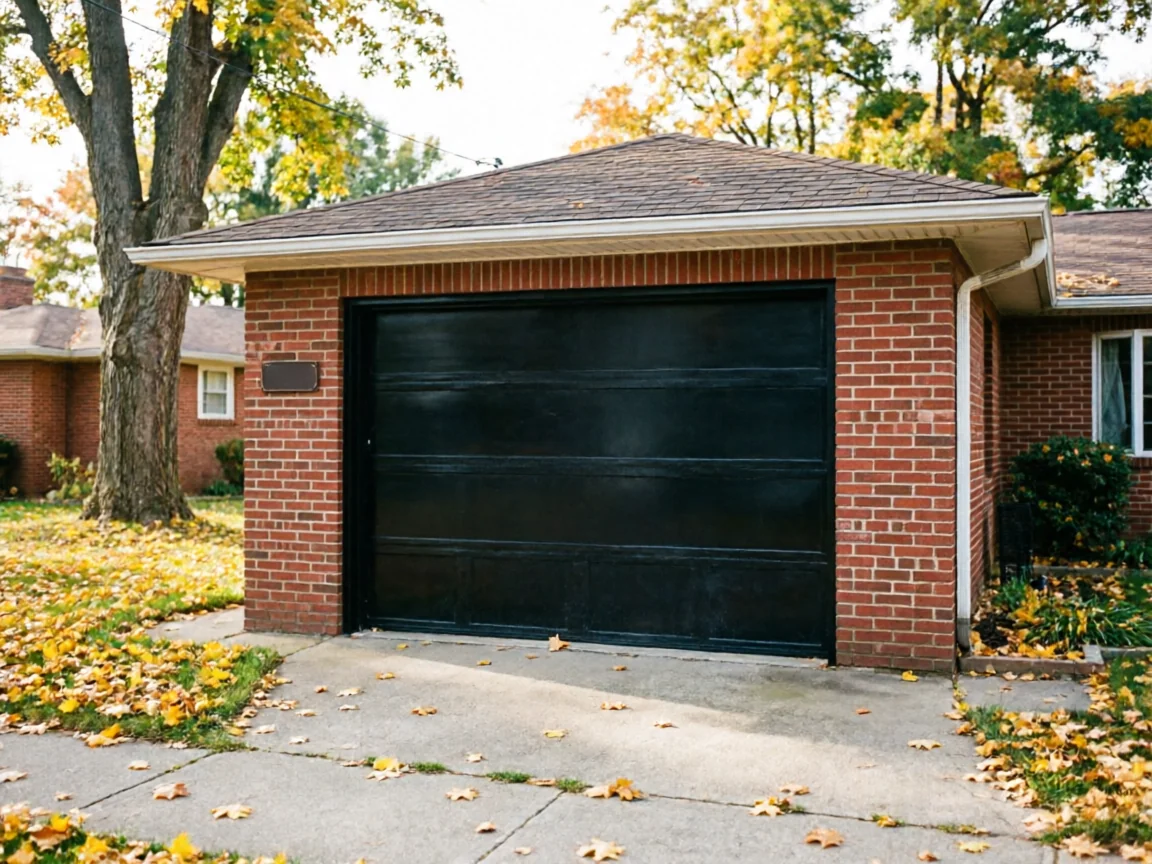
What You Are Seeing
If your door is slow to close, shudders partway up, or the opener strains and reverses before it reaches the floor, that's almost always spring fatigue, not the motor. On the older side of North Canton's housing stock - plenty of it dating to the 1950s and 60s per the area's building records - original torsion springs have been cycling for fifty-plus years longer than any spring is rated for. You'll also see rollers that have gone from round to flat-sided, leaving a stutter in the track every rotation, and cables starting to fray where they wrap the drum. None of that is cosmetic. A frayed cable under tension is the one that lets go without warning, and a door that drops that way can take a bumper, a step, or a hand with it.
Why It Happens Here
North Canton sits in a cold-climate band with real winter severity, and that matters more for garage doors than most homeowners realize. Steel contracts in cold, grease thickens, and a spring already near the end of its life cycle loses the little bit of flex it had left right when the opener is asking the most of it - on a January morning with a foot of weight on a door that hasn't moved since the night before. Houses here were mostly built between 1938 and 1994, with the bulk going up in the 1960s and 70s, and a lot of those garages were framed for single-layer steel doors with lighter springs than what a modern insulated door needs. When an owner swaps in a heavier door without upgrading the spring sizing, the new door ages the old spring faster than the house's original builder ever planned for.
The Complications
The complication we run into most in this area is mismatched hardware: a door panel replaced at some point, an opener added later, springs sized for a lighter door than what's currently hanging.
Mixed decades of parts
On a house built in the 1960s or 70s, it's common to find three different decades of parts on one track, and they don't always talk to each other well.
Drum and cable sizing mismatch
Side-mounted torsion setups from that era can also use drum and cable sizing that newer standard kits don't match exactly, so a repair sometimes takes more fitting than a straight swap.
Shifted track and jambs
We'll tell you plainly when a door's track and jambs have shifted enough that spring work alone won't hold - at that point patching it is throwing money at something that needs the track reset or the door replaced, and we'd rather say that up front than have you call us back in six weeks.
Questions
Common questions
Why did my garage door spring break with no warning?
Torsion springs fail from metal fatigue after a set number of open-close cycles, and cold weather speeds that up because the steel loses flex. On older North Canton homes with original hardware from the 1960s or 70s, the spring has often outlived its rated cycle count by decades before it finally snaps, usually on a cold morning when tension is highest.
Is it normal for my opener to strain in winter?
Some slowdown in cold is normal, but real straining - grinding, reversing partway, or the motor running longer than usual - usually means the spring isn't carrying its share of the door's weight anymore. The opener is a convenience motor, not a lifting motor, and it's not built to compensate for a weak spring long-term.
Can I just replace the opener and leave the springs alone?
If the springs are original to a house built decades ago, replacing just the opener without checking spring condition is a common mistake. The new opener will mask a weak spring for a while, then fail early trying to do a job the spring should be doing. We check both every time, not just the part you called about.
Explore more
Explore More Services In North Canton, OH
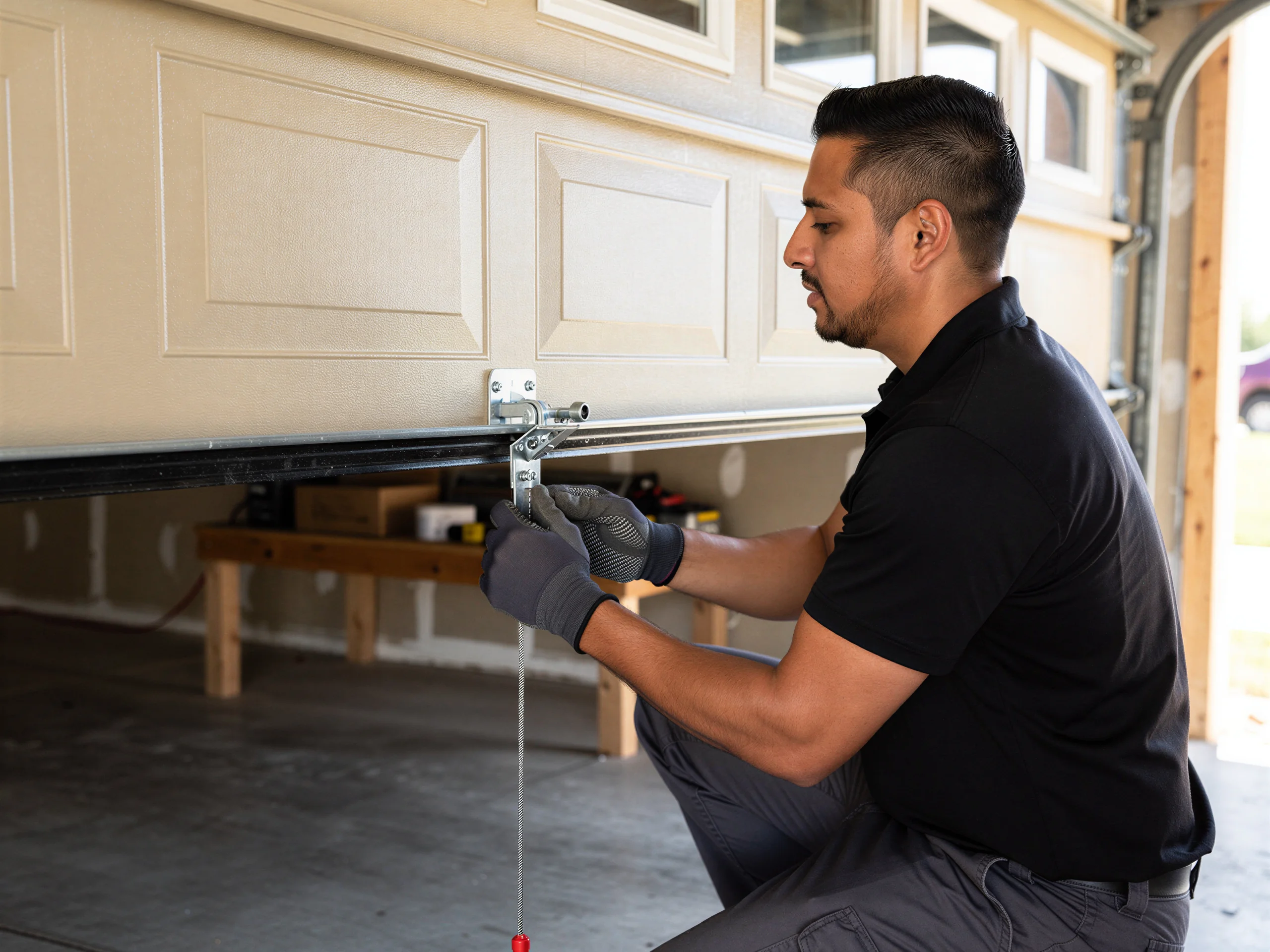
Garage Door Cable Repair, North Canton and the Surrounding Area
Broken garage door cable in North Canton? Learn more →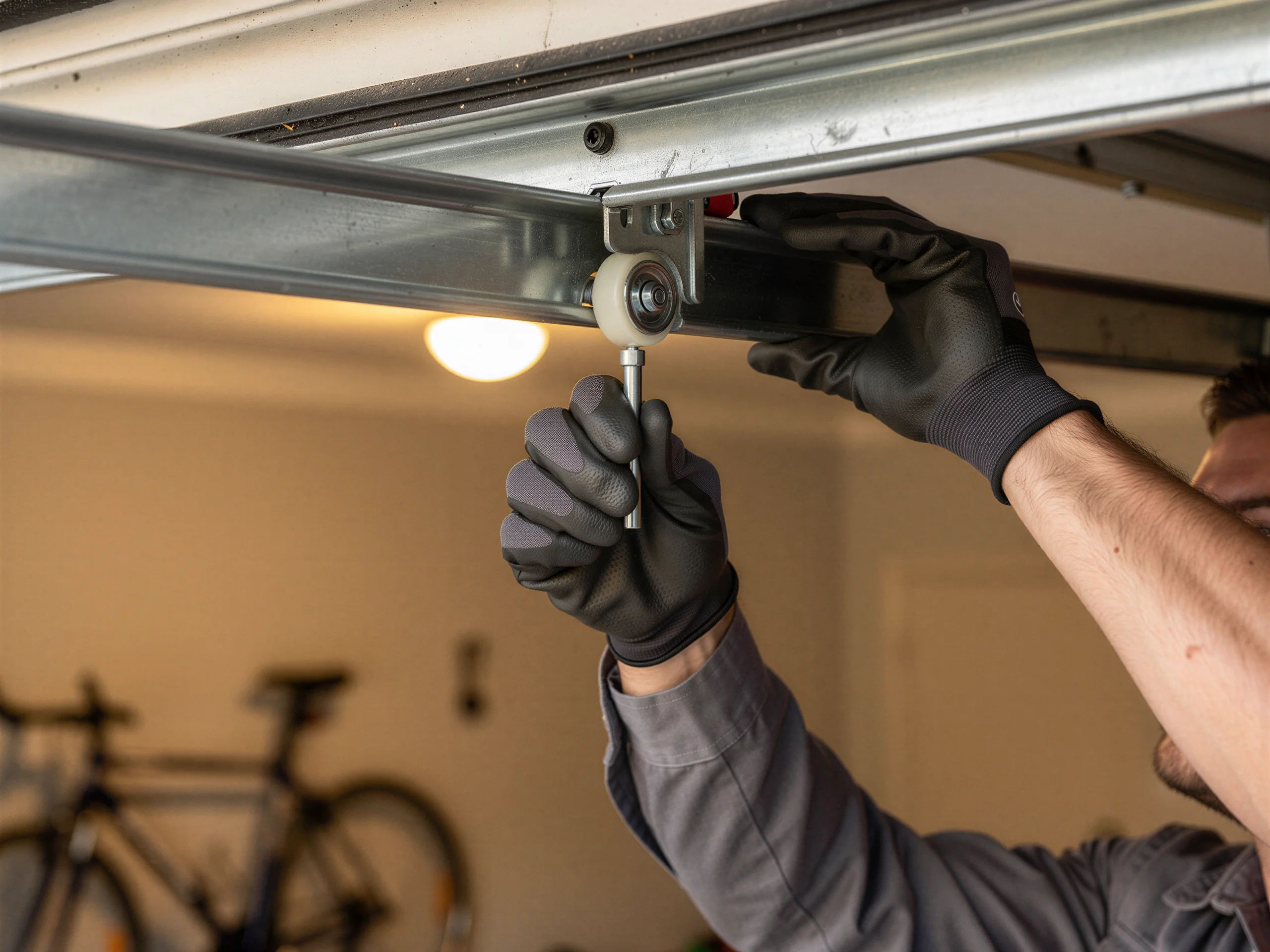
Garage Door Roller Replacement Around North Canton
Worn or broken rollers on North Canton garage doors, explained: what drives the cost, what the noise means, and why this area's older housing stock wears rollers faster. Learn more →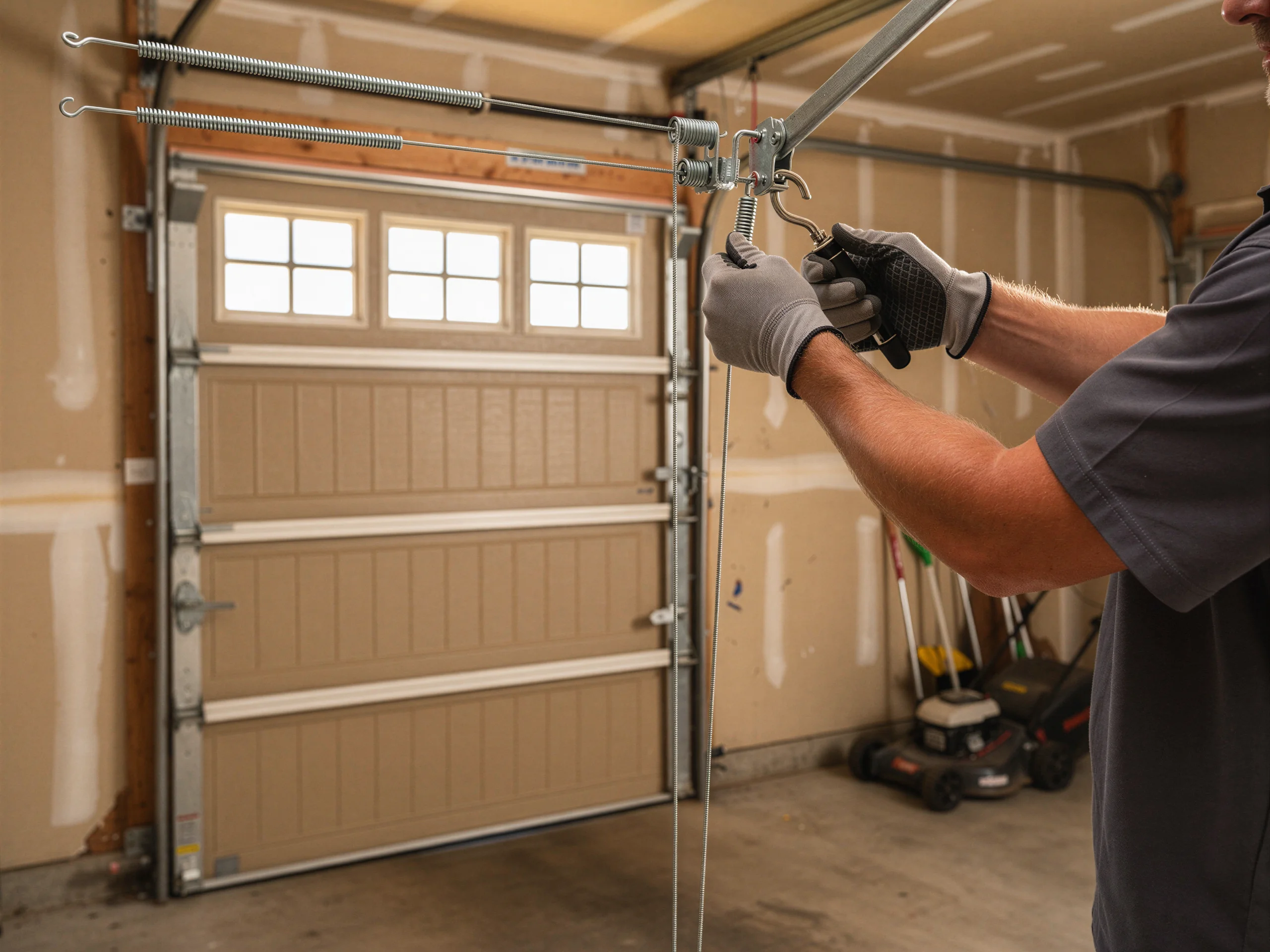
Garage Door Spring Repair for North Canton Homes
Broken torsion spring on a house built in the 1960s? Learn more →
Garage Door Maintenance Around North Canton
Garage door maintenance for North Canton-area homes built mostly in the 1960s and 70s, where original hardware meets Ohio winters. Learn more →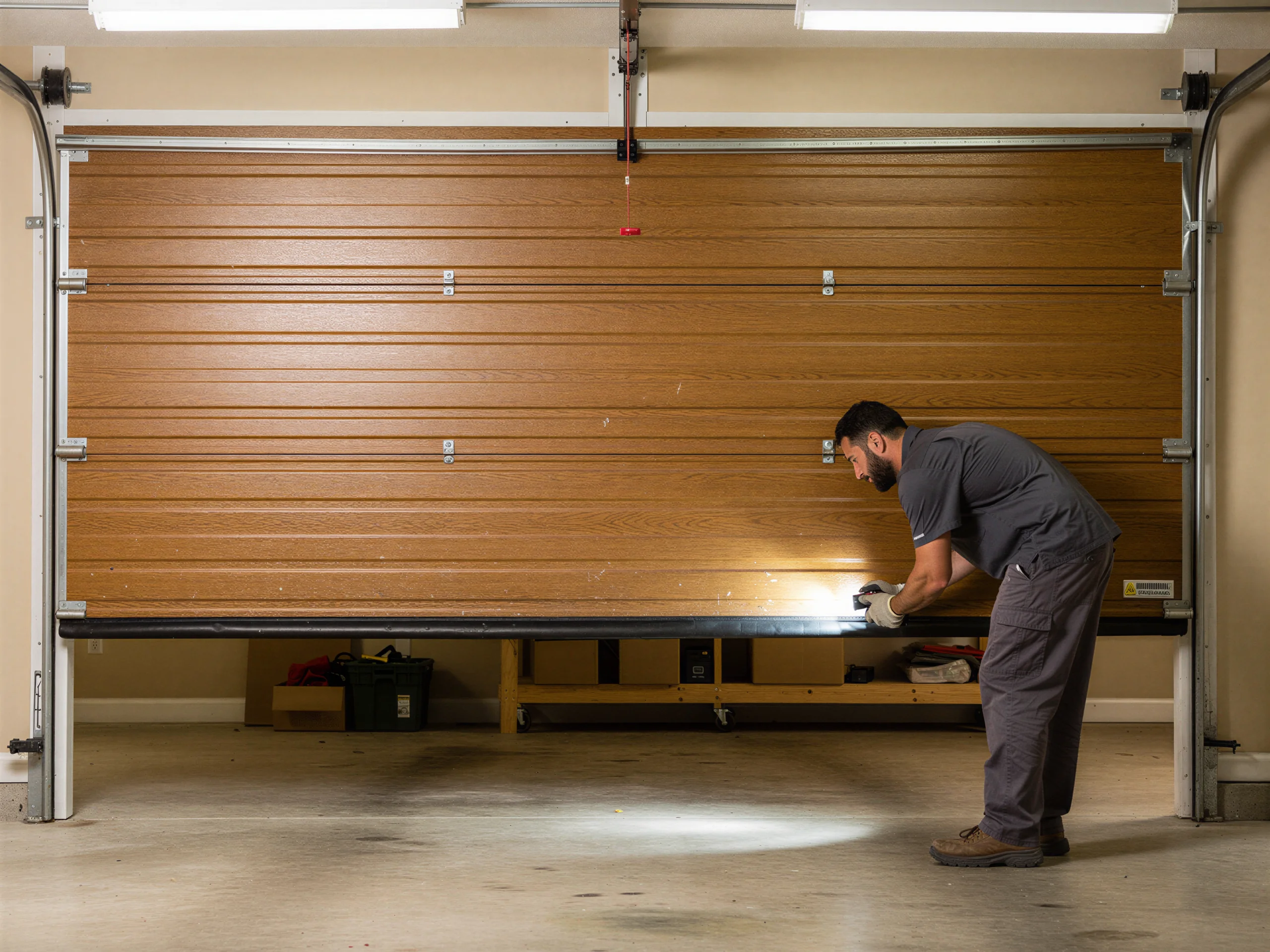
Garage Door Repair for North Canton Homes
North Canton Garage Door Pros fixes broken springs and dead openers common in North Canton's 1960s-70s housing, built for a mild climate, not Ohio's cold winters. Learn more →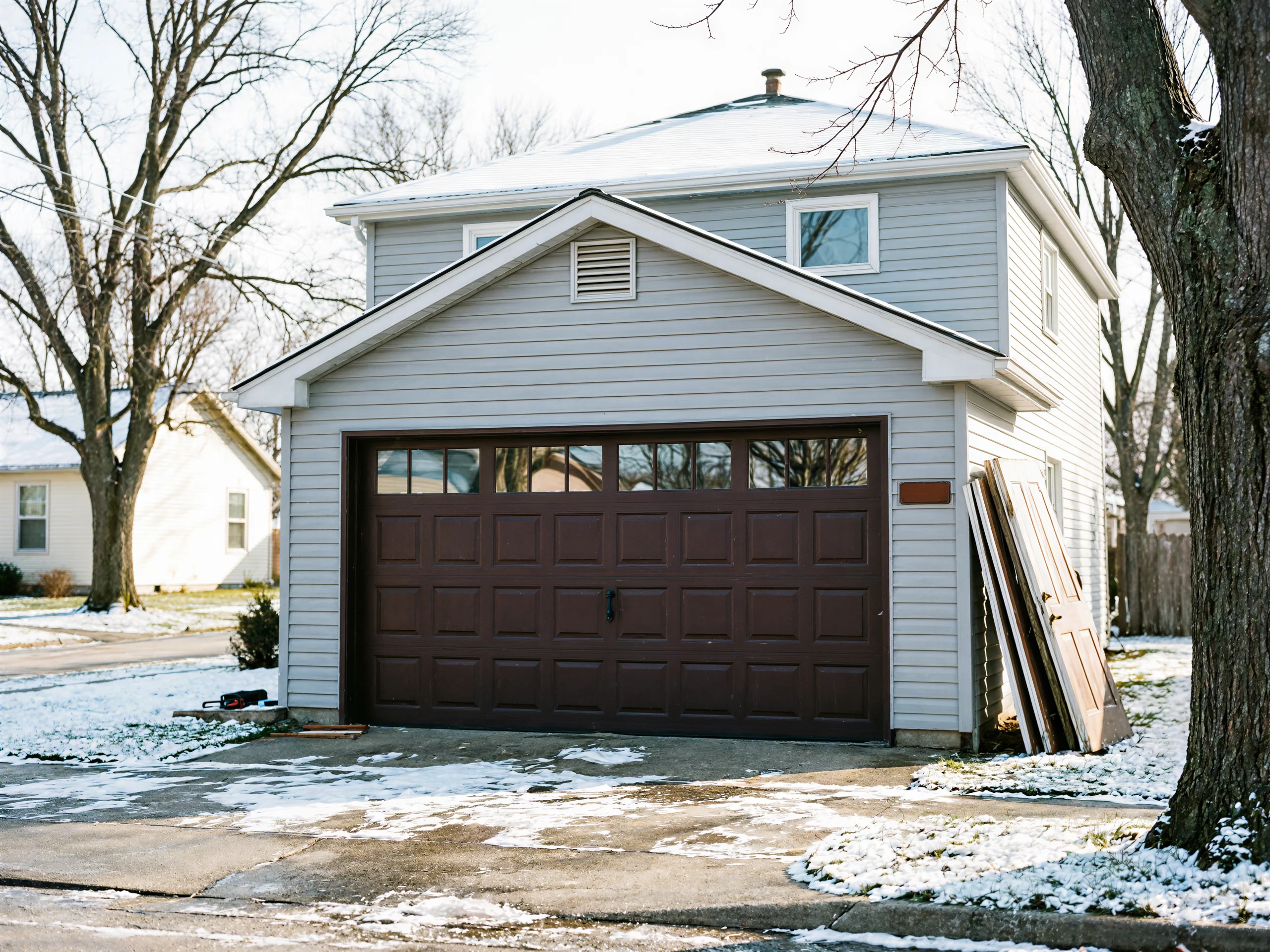
Garage Door Installation Built for North Canton's Older Openings
Garage door installation for North Canton homes built 1938-1994, matched to original openings and sized for severe cold winters. Learn more →Ready when you are
Need a garage door sorted in North Canton?
North Canton Garage Door Pros repairs and installs garage doors, springs and openers in North Canton, OH and the surrounding area.