What to Look At First
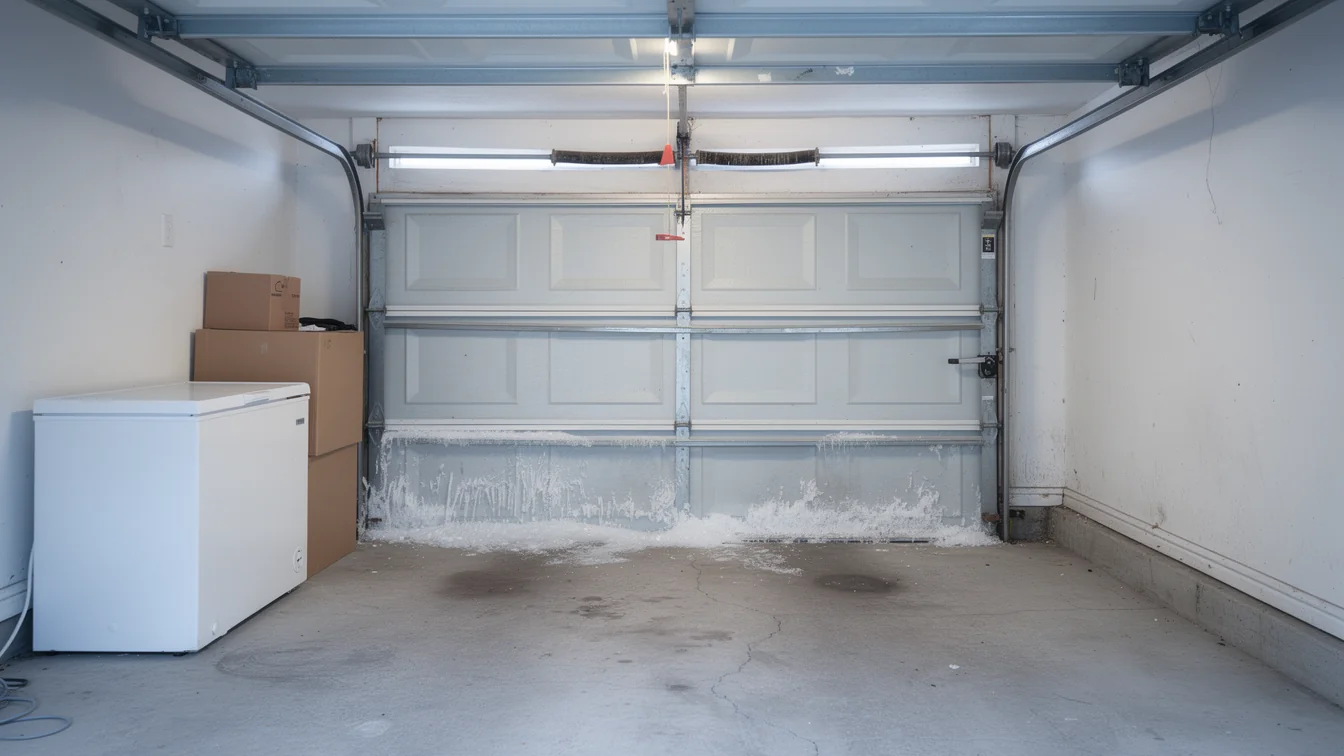
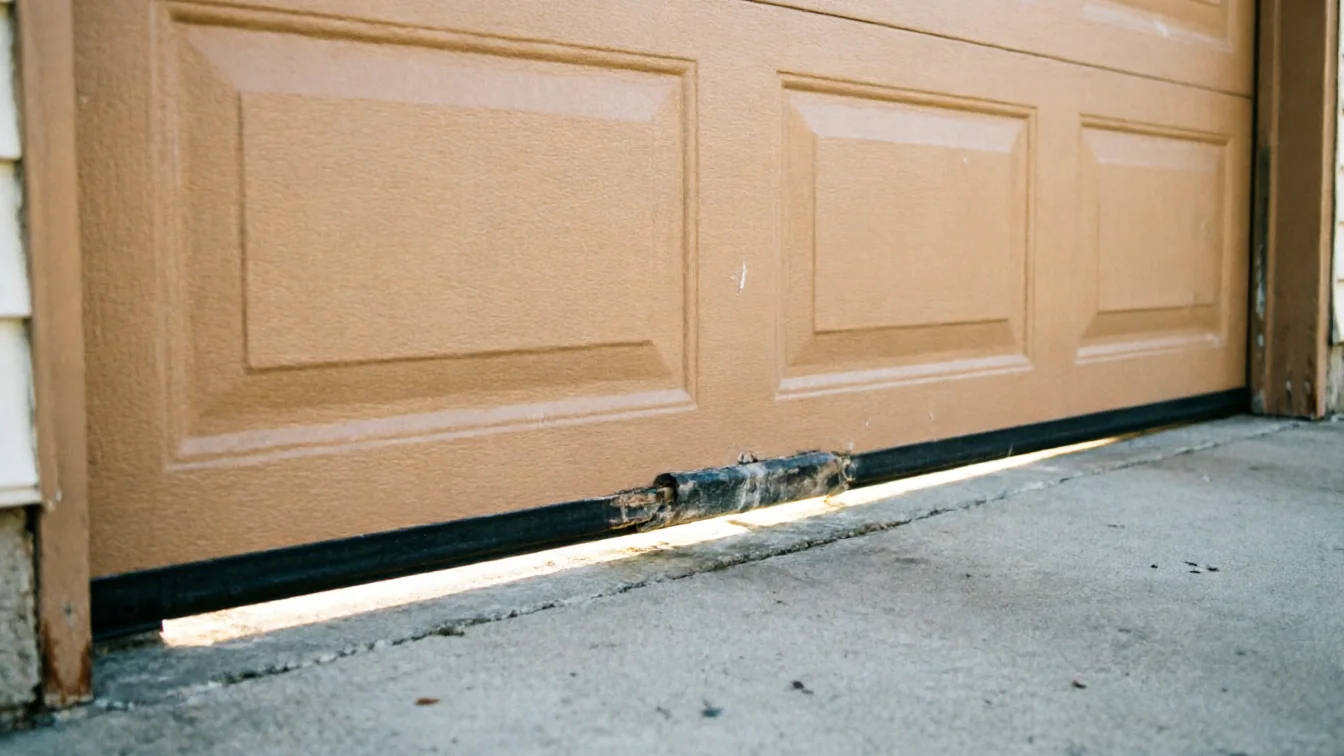
Start with the weather seals and draughts around the bottom of the door and the sides of the jamb. In this part of Ohio, with housing stock running from 1938 up through 1994 and a median build year around 1962, a lot of garages still have the original bottom seal channel, and rubber that old has usually hardened past the point of doing its job. Run a hand along the seam on a cold morning - if you feel air moving, that seal is done, not just worn.
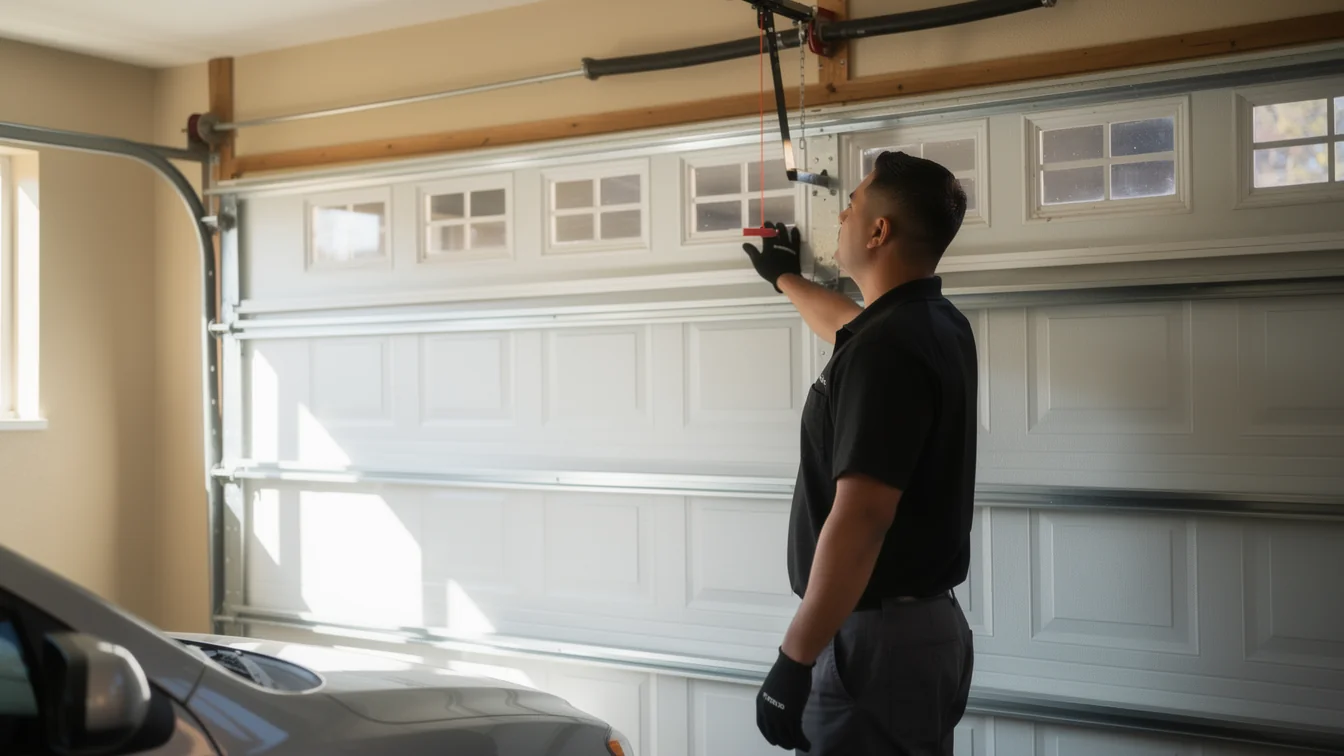
Next, check the torsion spring and the cable drums on either side of the door. Houses built in the 1960s and 70s, which make up most of the stock across the 27 named areas this company covers, were fitted with spring sizes that match the door weight standards of that era, not today's insulated steel doors if a door's ever been swapped. If someone replaced the door since but kept the old spring, the balance will be off, and you'll hear it in the opener motor working harder than it should.
Last, look at the track mounting bolts near the header. Settling is normal in a house this age, and a track that's pulled even a quarter inch out of plumb will bind a roller every single cycle.
Leaving It Alone
Not everything that looks wrong needs a call. A door that's a little noisy on the way up, with rollers that squeak but don't bind, is usually fine with grease and nothing else. Spend five dollars on white lithium grease before you spend on a service call.
Same goes for a slightly uneven gap at the bottom of the door in summer versus winter. Steel expands and contracts, and a quarter-inch of seasonal movement on an older sectional door is normal, not a sign the track is failing. Chasing that gap with a wrench every season does more harm than the gap itself.
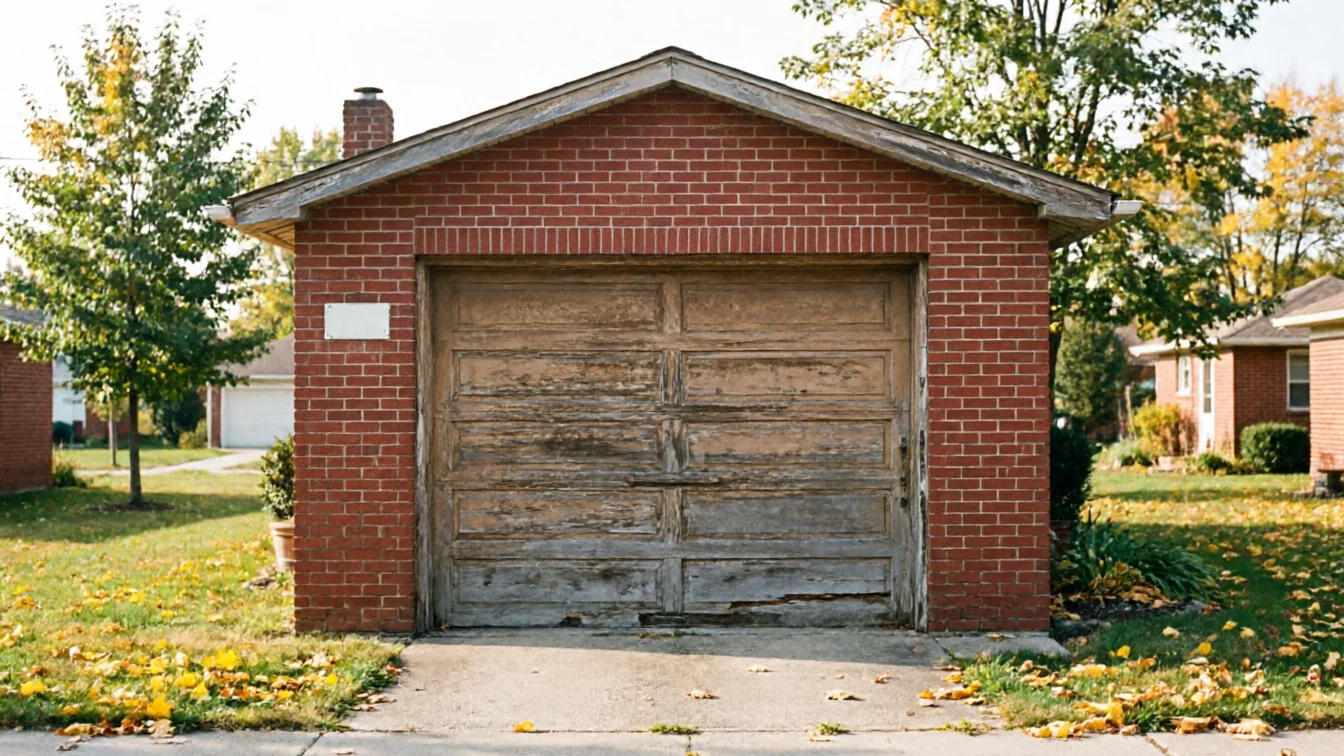
Here's the honest limit: if the door is original to a house built in the early 1960s and the panels are rusted through at the bottom, no seal replacement fixes that. At some point the steel itself is the problem, and no amount of adjustment buys you more than another season or two. That's a replacement conversation, not a repair one.
What Local Conditions Do
This area sits in a severe cold climate band, and that matters more to a garage door than most people think. It isn't one bad storm - it's months of freeze-thaw cycling that works on rubber seals, steel panel seams, and the grease in roller bearings all winter long. Weather seals and draughts that would last five seasons somewhere milder tend to crack here in three.
Cold also changes how springs behave. Steel contracts as it gets colder, which tightens spring tension slightly and can make a marginal spring finally let go on the coldest morning of the year rather than a mild one. If your opener has been straining for weeks, winter is often when it finally gives out, not because anything changed that day, but because the cold found the weak point first.
With 29,736 owner-occupied houses and a median household income of $70,132 across the service area, most calls here are about keeping an existing door and opener working through another winter, not replacing on a whim. That's the right instinct in a cold climate band - fix what's failing before it takes the rest of the system with it.
What Is Going On
Put the pieces together and the pattern is pretty consistent. A house built around 1962, which is the median here, is now past sixty years old, and the garage door hardware rarely got a full overhaul even if the door itself was swapped once along the way. Add a severe cold climate band on top of that, and the seals, springs, and bearings all wear on the same rough schedule across the area.
That's true whether the house sits in North Canton itself or in one of the nearby towns this company reaches - Greentown four miles out, Uniontown and Perry Heights at six, Hartville and Louisville at seven. The housing age and the winters don't change much across that stretch, so the same failures show up job after job: hardened seals, tired springs, and track bolts that walked loose over a decade of temperature swings.
What's going on, most of the time, isn't a mystery and it isn't one dramatic event. It's ordinary wear on hardware that was never built to last sixty winters, finally catching up with the house.
Talk to a local pro
Garage door trouble in North Canton?
Same-day service with honest, upfront quotes.