What to Look At First
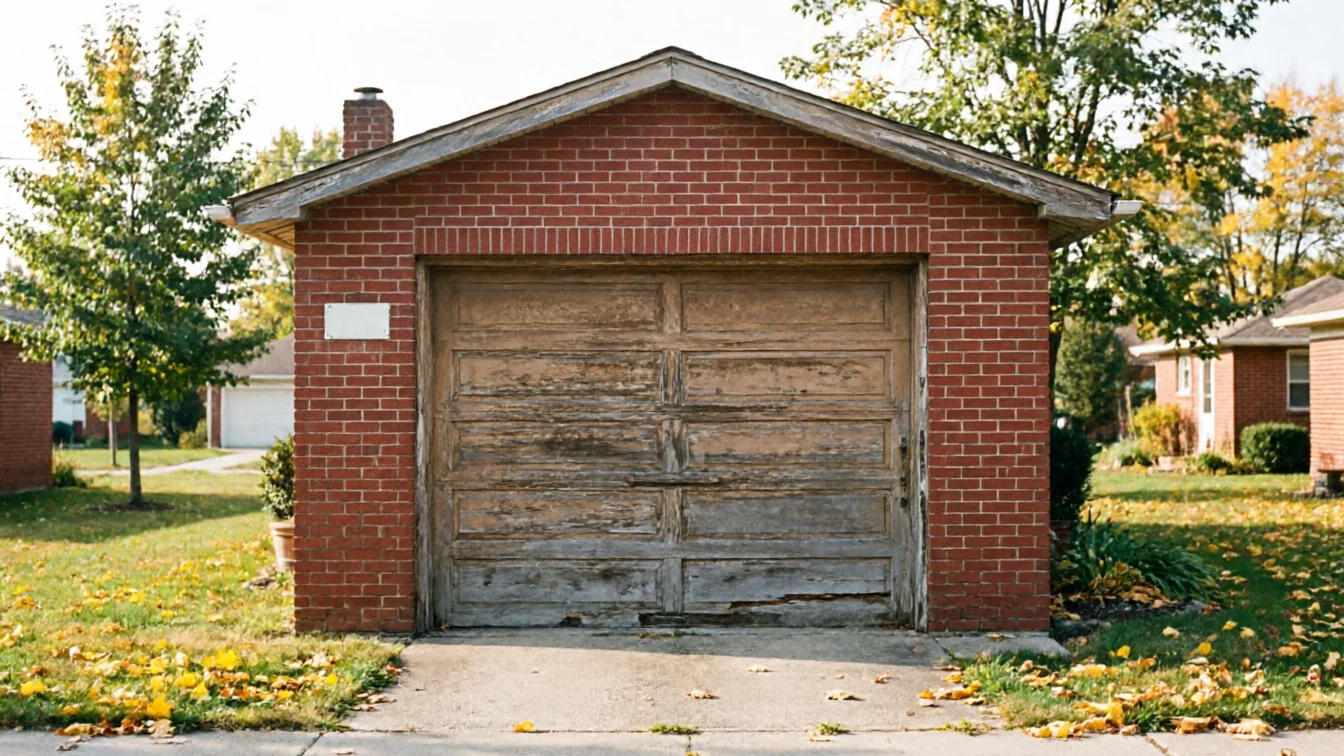
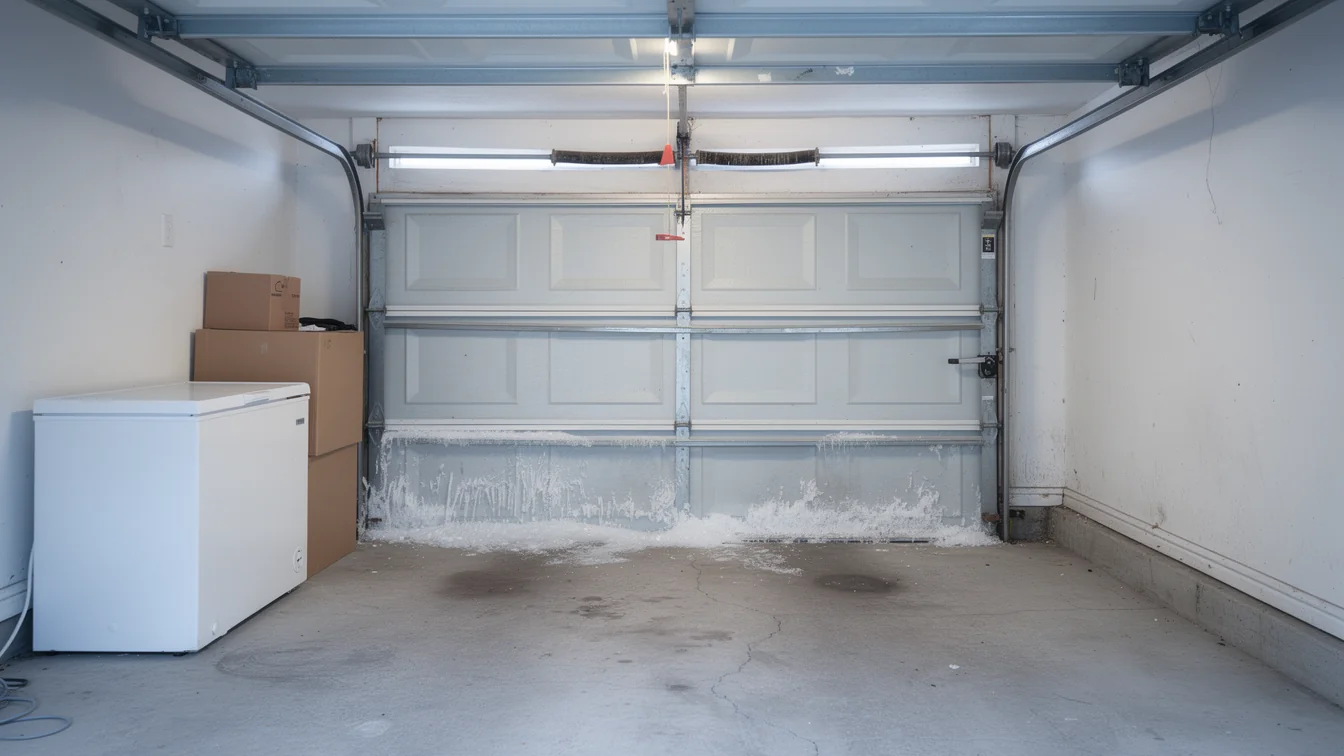
Start with the spring side, not the opener. Most houses in this area went up between 1938 and 1994, with the bulk clustered in the 1960s and 70s, which means a lot of doors are still running on the torsion or extension springs that came with the house, or a direct replacement nobody upgraded. A spring that's worn thin makes a distinct sound right before it goes - a sharp metallic pop, or a rhythmic creak each time the door travels past a certain point in the track. That point is usually where the coil is thinnest from age.
Next check the rollers. Steel rollers on original hardware grind rather than squeak. If you hear a grinding, gritty sound as the door moves - not a squeal, a grind - the roller bearing is gone and it's riding bare metal on track. On a house with 1960s-era hardware, that's not an if, it's a when.
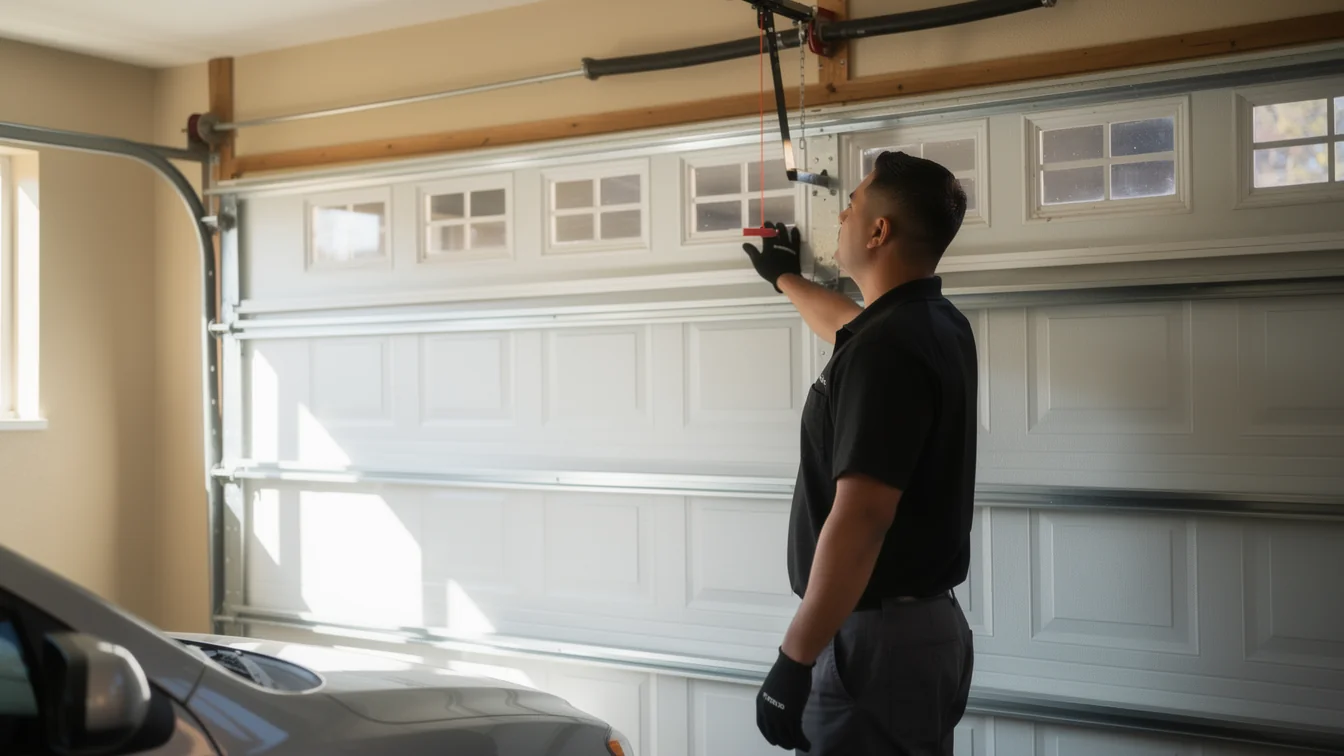
Last, listen at the header where the opener mounts. A loud bang on open or close, separate from the motor noise, usually means the opener bracket has worked loose from a wood jamb that's been through fifty-plus winters of expansion and contraction. That's a mounting problem, not a motor problem, and treating it like one wastes a service call.
Leaving It Alone
Not every noise is urgent, and I'll say plainly: a light rattle in the track on a cold morning, gone by midday once things warm up, usually isn't worth a call. Metal contracts in cold and that can make hardware shift slightly and settle back. If the door still opens smooth, closes square, and the sound doesn't repeat once the day warms, you can leave it.
What you shouldn't leave alone is anything that changes the way the door moves - a hesitation, a lean to one side, a louder sound each week instead of a steady one. On houses from the 1960s and 70s stock that make up most of this area, hardware doesn't fail all at once. It fails one component at a time, and the noise is the warning before the part that's next to it takes the full load and breaks too.
I won't tell you every sound means a truck needs to come out. Half the calls I'd rather talk through on the phone first - a ten-second description of the sound tells me more than a guess would. But I also won't pretend a grinding roller or a popping spring is nothing, because on these doors it rarely is.
What Local Conditions Do
This area sits in a cold climate zone with real winter severity, and that matters more for noise than most people think. Steel contracts in the cold - tracks tighten slightly, bolts that were snug in August can work a sixteenth of an inch loose by February, and lubricant that was fine in summer gets thick and stops doing its job right when the door needs it most. That's when you hear the new sounds: a squeal on the first cold morning that wasn't there the week before, or a slower, heavier sound as the door climbs the track.
On a house built in the 1960s with original or early-replacement hardware, decades of that seasonal cycle - tighten, loosen, tighten again - wears bolt holes oval and track brackets loose at the stud. The noise isn't random. It's the sound of hardware that's been doing this same contraction and expansion every winter since before most of today's openers existed.
If your door got noticeably louder with the first hard cold snap this year and stayed that way, that's the climate finding the weak point in older hardware, not a coincidence.
What Is Going On
Put it together and the pattern on a lot of these calls looks the same: a house from the 1962 median build year, original or once-replaced spring and rollers, and a cold snap that tightens metal that was already worn thin. The noise you're hearing is usually one of three things - a spring losing its temper, a roller bearing worn through, or a bracket that's loosened from the frame after years of seasonal movement.
I can't tell you over text which one it is without hearing it, and I won't guess at a price before I see the door - that part depends on what's actually failed and whether it's one part or several. What I can tell you is that on a house of this age, in this climate, noise almost never means nothing. It means a part reached the end of what it had left, and the sound is it telling you before it quits.
Talk to a local pro
Garage door trouble in North Canton?
Same-day service with honest, upfront quotes.