
North Canton, OH
Garage Door Maintenance Around North Canton
Garage door maintenance for North Canton-area homes built mostly in the 1960s and 70s, where original hardware meets Ohio winters. Tune-ups that catch wear early.
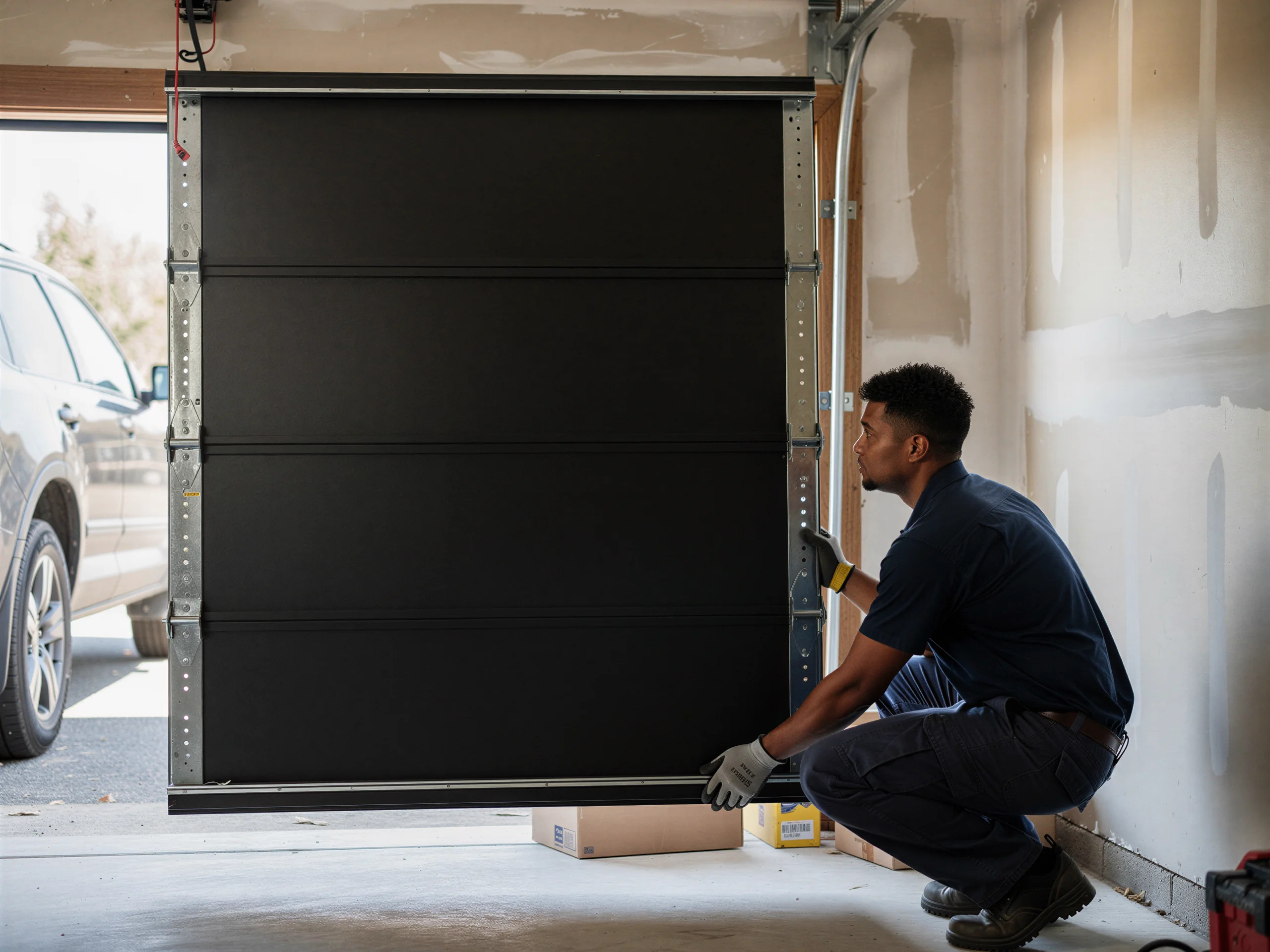
What You Pay
We don't have a published flat rate to print here, and we'd rather tell you that than make one up. What drives the number is how many moving parts get serviced and whether anything's already worn past adjustment - a spring that's lost tension, a track that's bent, rollers that are cracked.
Tune up pricing by door
A basic tune-up on a single door with nothing broken costs less than one with a double door and 20-plus-year-old hardware that needs lubrication, tightening, and a full safety check. What we can tell you: maintenance pricing is almost always lower than repair pricing, because you're paying to catch a problem before it strands your car in the garage.
Original springs overdue
On a lot of the housing stock out here - built between 1938 and 1994, with most of it dating to the 1960s and 70s - the original springs and tracks are long past their rated cycle count. Letting a tech check torque, balance, and hardware wear once a year is cheaper than a weekend emergency call when a cable finally lets go.
Pricing opener and door separately
If your opener is newer than your door - which happens a lot in houses this age, since openers get swapped out more often than the door itself - we'll check both, but we price them as what they are: two different systems with two different wear patterns.
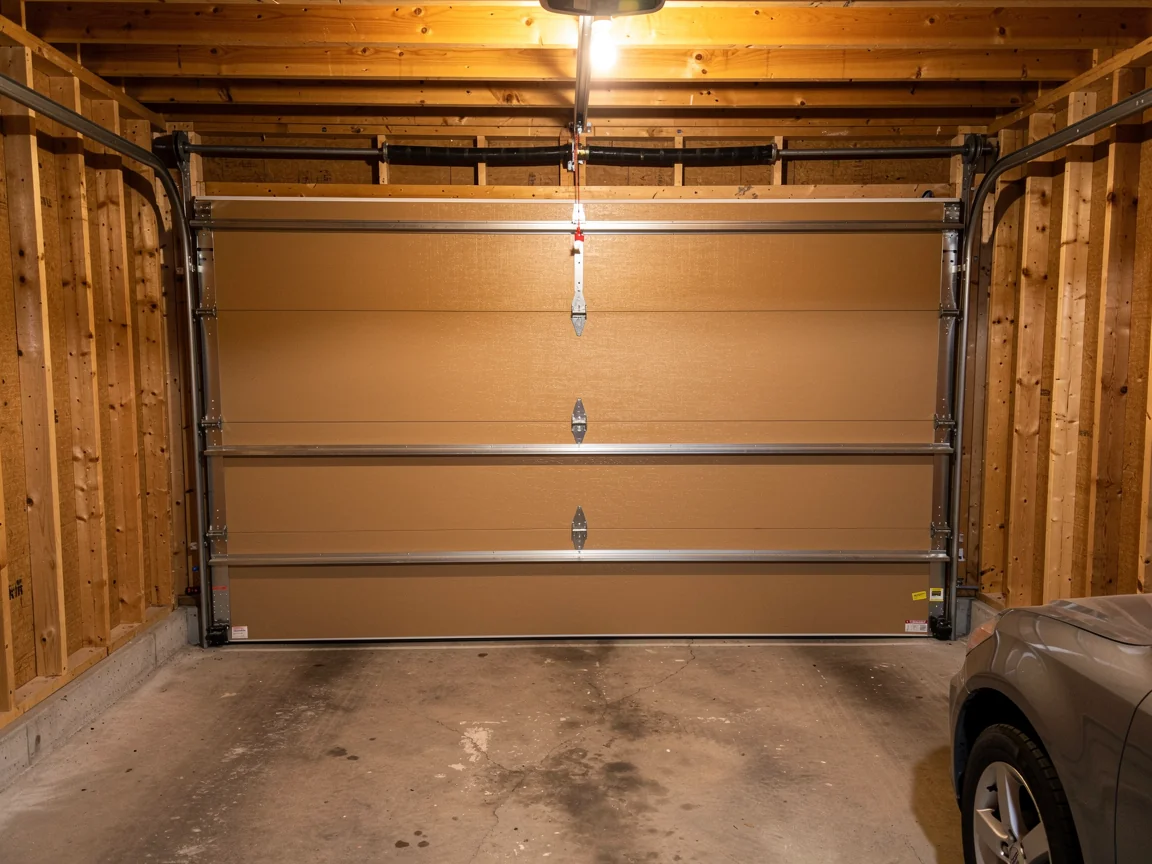
What You Are Seeing
Most of the calls we get that start as a maintenance visit, not a breakdown, sound the same: the door's noisier than it used to be, it hesitates partway up, or it doesn't sit flush at the bottom anymore.
Rollers drifting from round
None of that is dramatic. It's wear showing up slowly, the way it does on a door that's been opening and closing for 40, 50, 60 years of Ohio winters. Look for rollers that have gone from round to slightly flat on one side - you'll hear it as a thump at the same spot in the track every cycle.
Cracked bottom seal
Look at the bottom seal; if it's cracked or compressed into a thin strip, it's not sealing anything anymore, cold or not. Check the springs for gaps where the coils used to sit tight. None of these fail all at once. They fail a little at a time, and a maintenance visit is built to catch them while they're still cheap to fix.
Never upgraded torsion parts
On the housing stock common across this service area - mostly 1960s and 70s construction spread across the 27 or so communities we work in - we see a lot of original torsion hardware that was never upgraded when the door panels were replaced. That mismatch between old springs and newer panels is its own category of wear we check for specifically.
Why It Happens Here
This area sits in a cold, severe winter climate zone, and that matters more for a garage door than most people expect. Steel contracts in the cold, lubricant thickens, and a spring or hinge that was fine in September can bind or snap in January. The failures we see spike every winter, not because the hardware is bad, but because cold exaggerates whatever slack or wear was already there.
Pair that with the age of the housing stock - built mostly between 1938 and 1994, with a median build year around 1962 - and you've got two things working against each other: metal hardware old enough to have fatigue cracks nobody can see, sitting in a climate that stresses metal hard every winter. A door that would coast along fine in a milder climate, or in a newer house with modern galvanized hardware, doesn't get the same grace period here.
That combination is why maintenance matters more in this part of Ohio than it would somewhere warmer or newer. It's not about selling you a service plan. It's that the two biggest risk factors for sudden spring failure or track binding - age and cold - are both baked into this area's housing and weather, not something you can plan around by just being careful.
The Complications
A few things make maintenance here harder than a straightforward lube-and-adjust. First, parts availability: original hardware from a 1960s or 70s build isn't something every supplier stocks, so if a tech finds a worn part mid-visit that needs an exact match - a specific drum size, an odd-length track section - it sometimes means a return trip rather than a same-day fix.
Refusing near miss parts
We'll tell you straight if that's the case instead of forcing a part that's close but not right. Second, a lot of homes in this area have had an opener replaced at some point without the spring system being re-checked for the added or changed load.
Mismatch shows under cycle test
That mismatch doesn't always show up on inspection; sometimes it only shows under a full cycle test with the door fully closed and opened. Third, and this is the honest limit: maintenance extends the life of a door, it doesn't reset it.
Maintenance cannot restore age
If your springs are original to a house built in the early 1960s, a tune-up will catch problems early and keep things running smoother, but it won't make 60-year-old steel behave like new steel. At some point replacement is the more honest answer than another round of adjustment, and we'll say so rather than keep billing visits on a door that's done.
Questions
Common questions
How often should I get my garage door serviced in North Canton?
Once a year is the standard interval, and it matters more here because of the cold winters and the age of a lot of the housing stock in this service area. An annual check catches spring wear and hardware fatigue before a cold snap turns a small problem into a stuck door.
Will maintenance fix a door that's already making noise?
Often, yes, if the noise is from loose hardware, dry hinges, or a roller starting to go. A maintenance visit includes lubrication and tightening that clears up a lot of noise complaints. If the noise is from a cracked panel or a spring that's already failing, that's a repair, not a tune-up.
Do older garage doors need maintenance more often?
Yes. A lot of houses in this area were built between 1938 and 1994, with most dating to the 1960s and 70s, and that original hardware wears differently than modern galvanized parts. More frequent checks catch fatigue in older torsion springs before they fail outright, especially heading into winter.
Explore more
Explore More Services In North Canton, OH
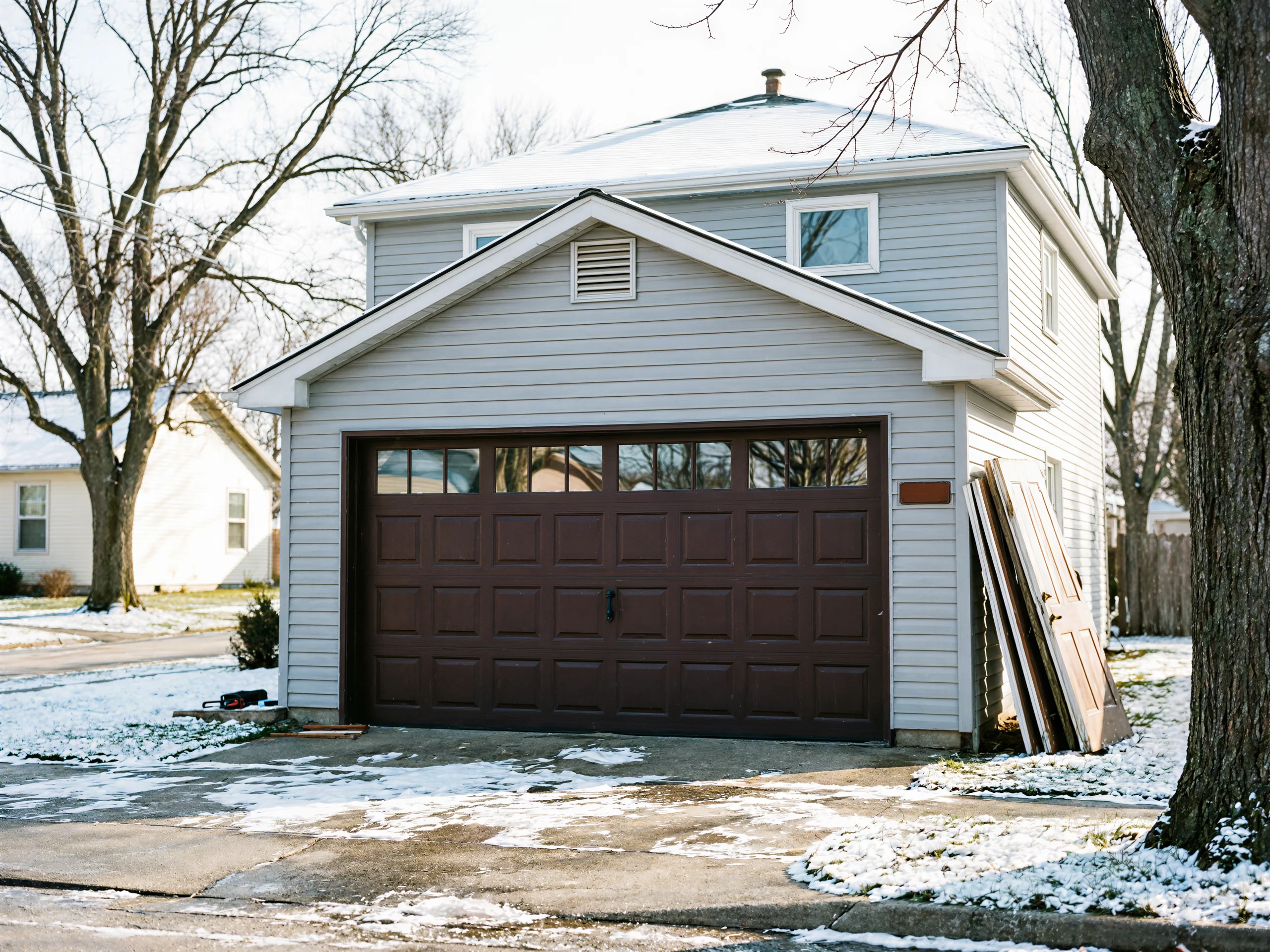
Garage Door Installation Built for North Canton's Older Openings
Garage door installation for North Canton homes built 1938-1994, matched to original openings and sized for severe cold winters. Learn more →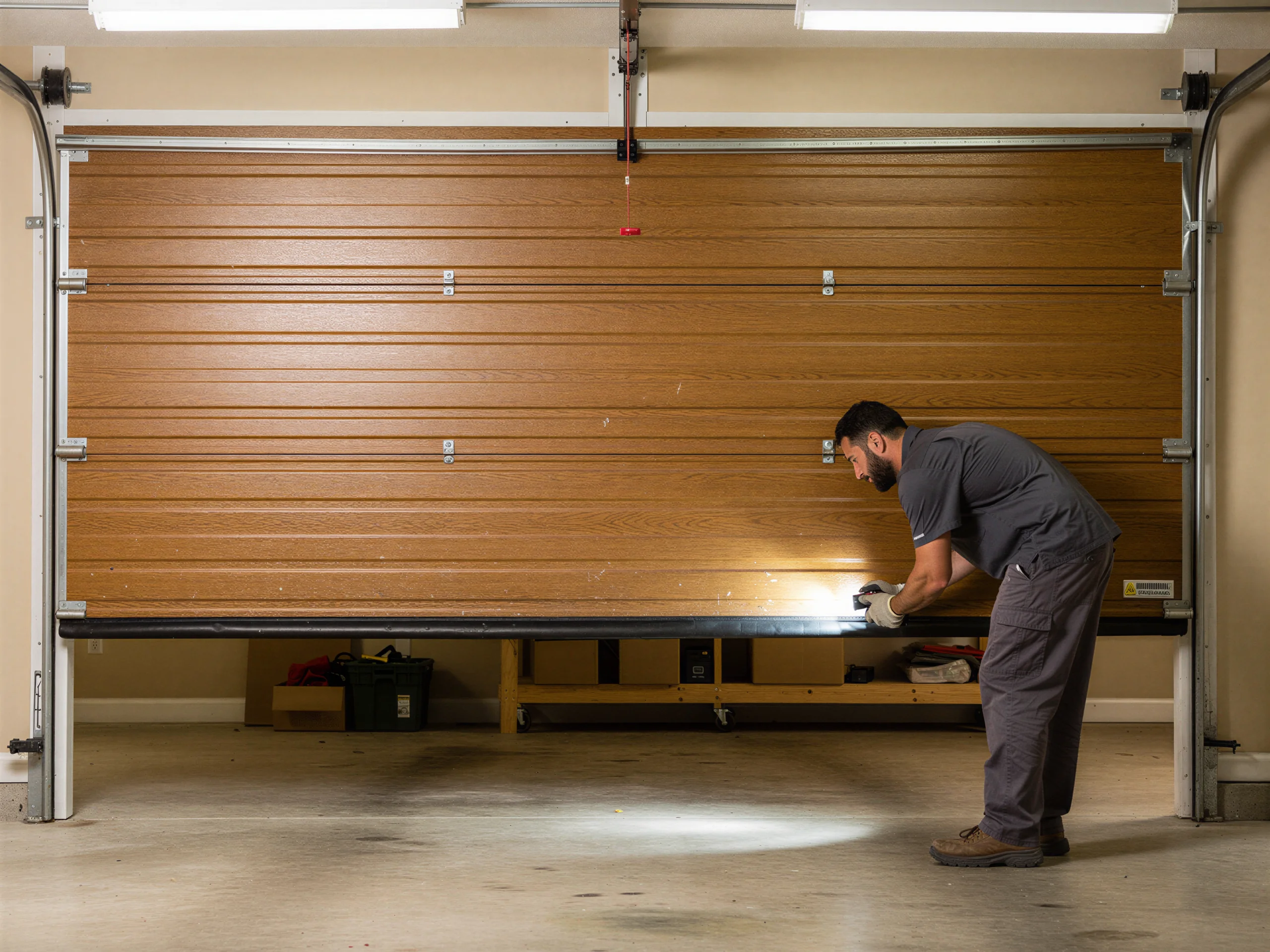
Garage Door Repair for North Canton Homes
North Canton Garage Door Pros fixes broken springs and dead openers common in North Canton's 1960s-70s housing, built for a mild climate, not Ohio's cold winters. Learn more →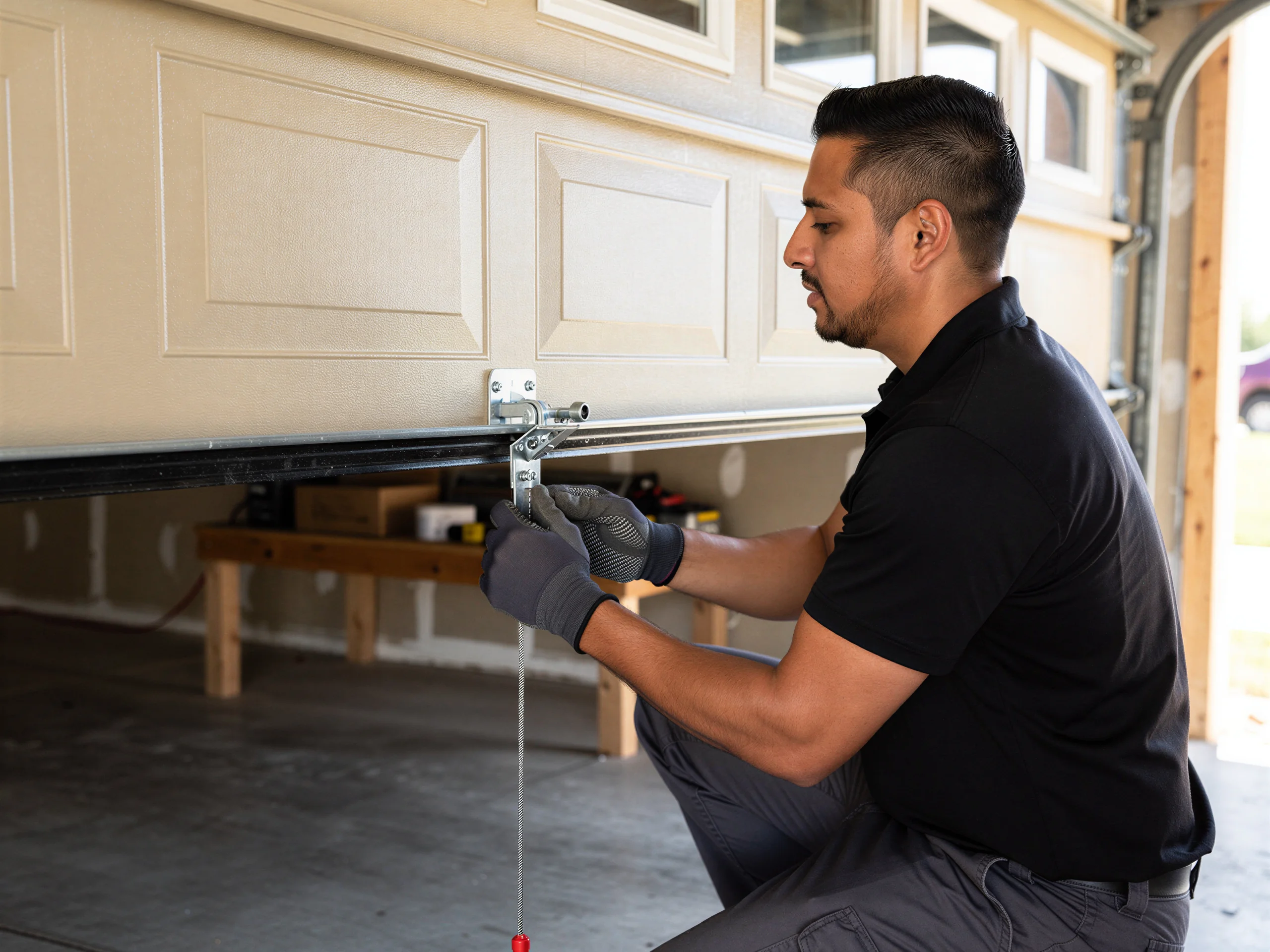
Garage Door Cable Repair, North Canton and the Surrounding Area
Broken garage door cable in North Canton? Learn more →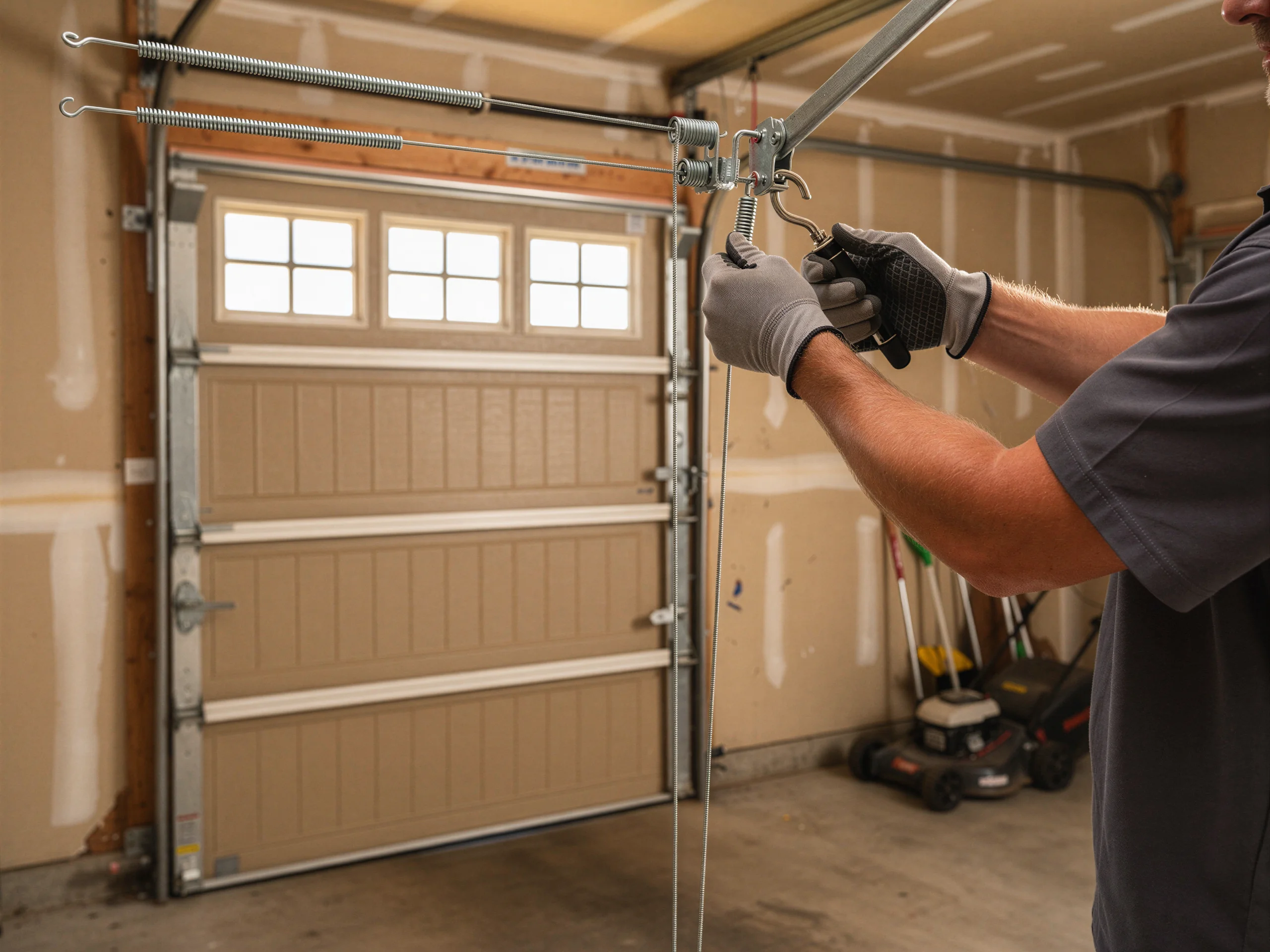
Garage Door Spring Repair for North Canton Homes
Broken torsion spring on a house built in the 1960s? Learn more →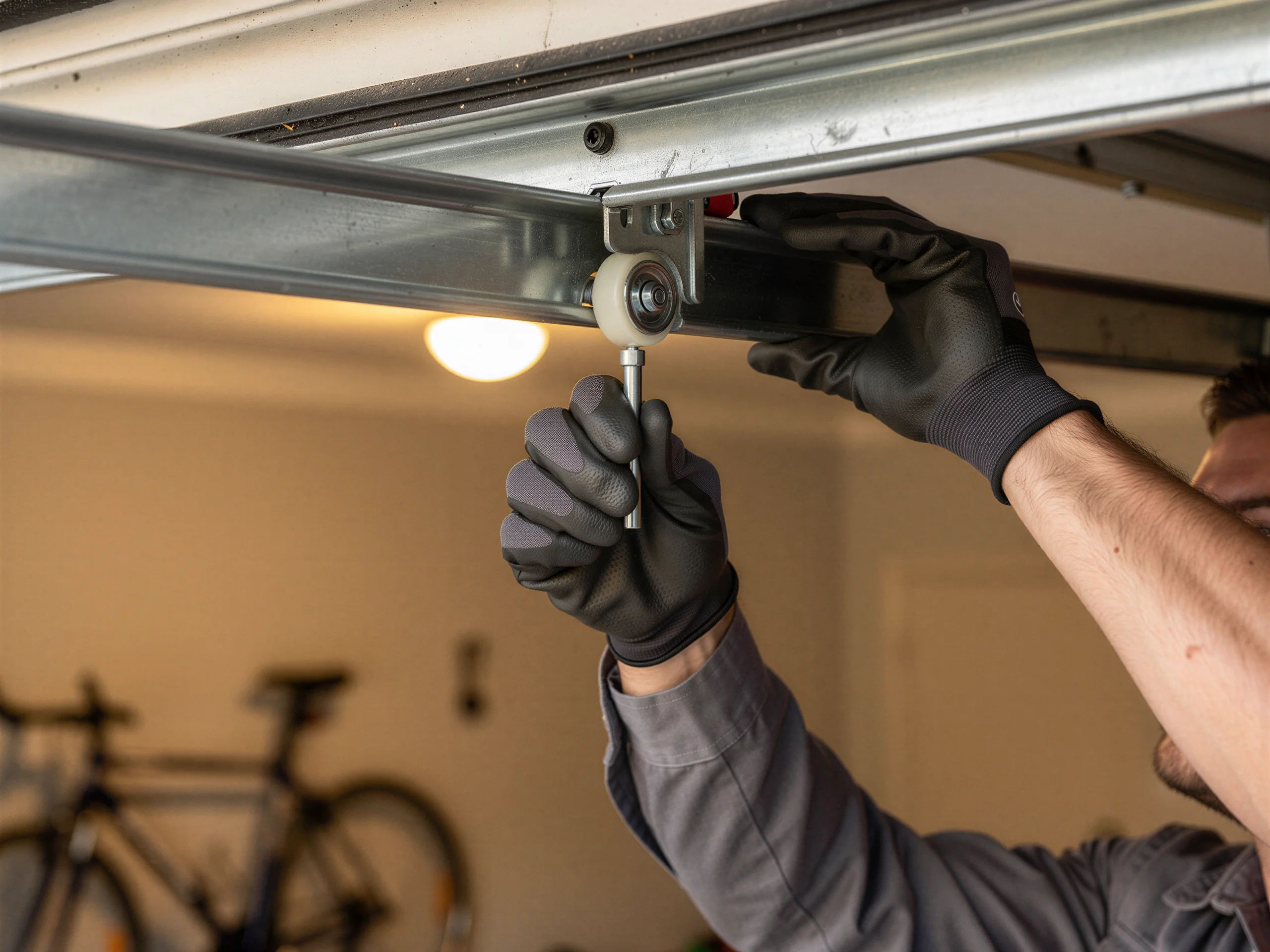
Garage Door Roller Replacement Around North Canton
Worn or broken rollers on North Canton garage doors, explained: what drives the cost, what the noise means, and why this area's older housing stock wears rollers faster. Learn more →
Garage Door Service for North Canton's 1960s-Era Homes
Garage door repair and tune-up service for North Canton homes built 1938-1994, where original hardware and cold winters wear springs and openers fast. Learn more →Ready when you are
Need a garage door sorted in North Canton?
North Canton Garage Door Pros repairs and installs garage doors, springs and openers in North Canton, OH and the surrounding area.