What to Look At First
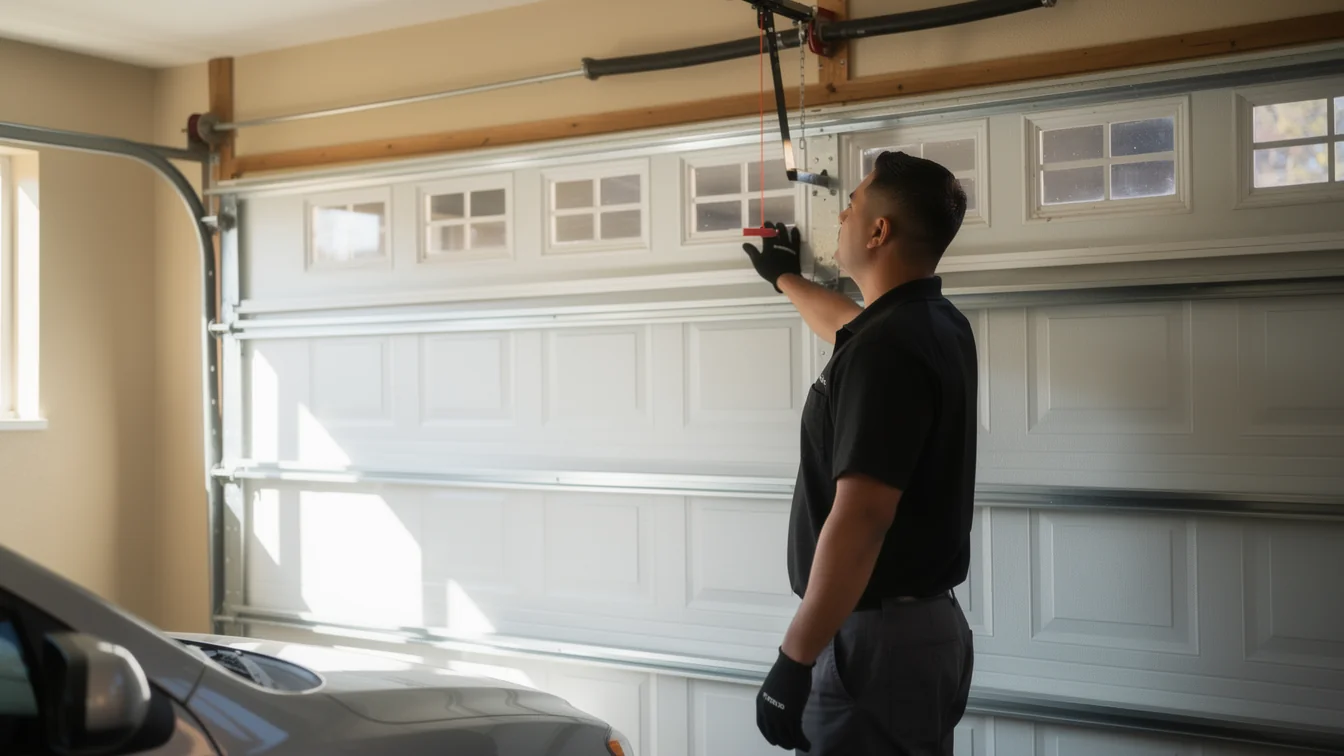
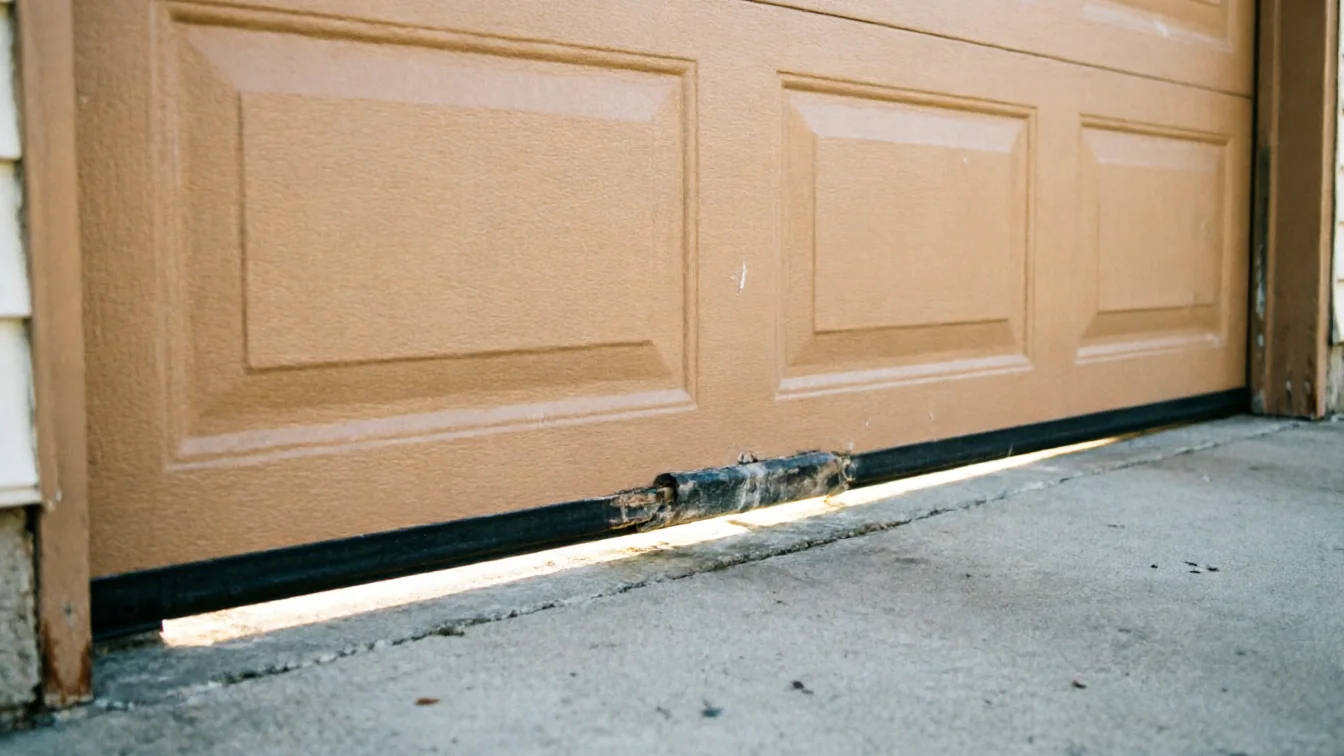
Most houses on this side of Stark County went up between 1938 and 1994, with the median build year sitting around 1962. That matters more than the dent in your panel. If your garage went up with the house, you're very likely looking at an original door, or at least original tracks and hinges, on a structure pushing sixty years old. Start by checking the spring - torsion springs installed before the 1970s often used thinner wire and lighter coatings than what's sold today, and they don't fail gracefully. Next look at the hinges and rollers: steel rollers from that era wear grooves into the track itself, not just the roller. Check the bottom panel for rust blooming from the inside out - a sign water's been sitting in the seam for years. None of this tells you to replace the door. It tells you what to ask about when someone comes to look at it. A door from a 1962-built North Canton house isn't automatically junk, but it's also not going to behave like a 2015 door, and treating it that way is how people end up with a spring that snaps mid-cycle instead of on a bench.
Leaving It Alone
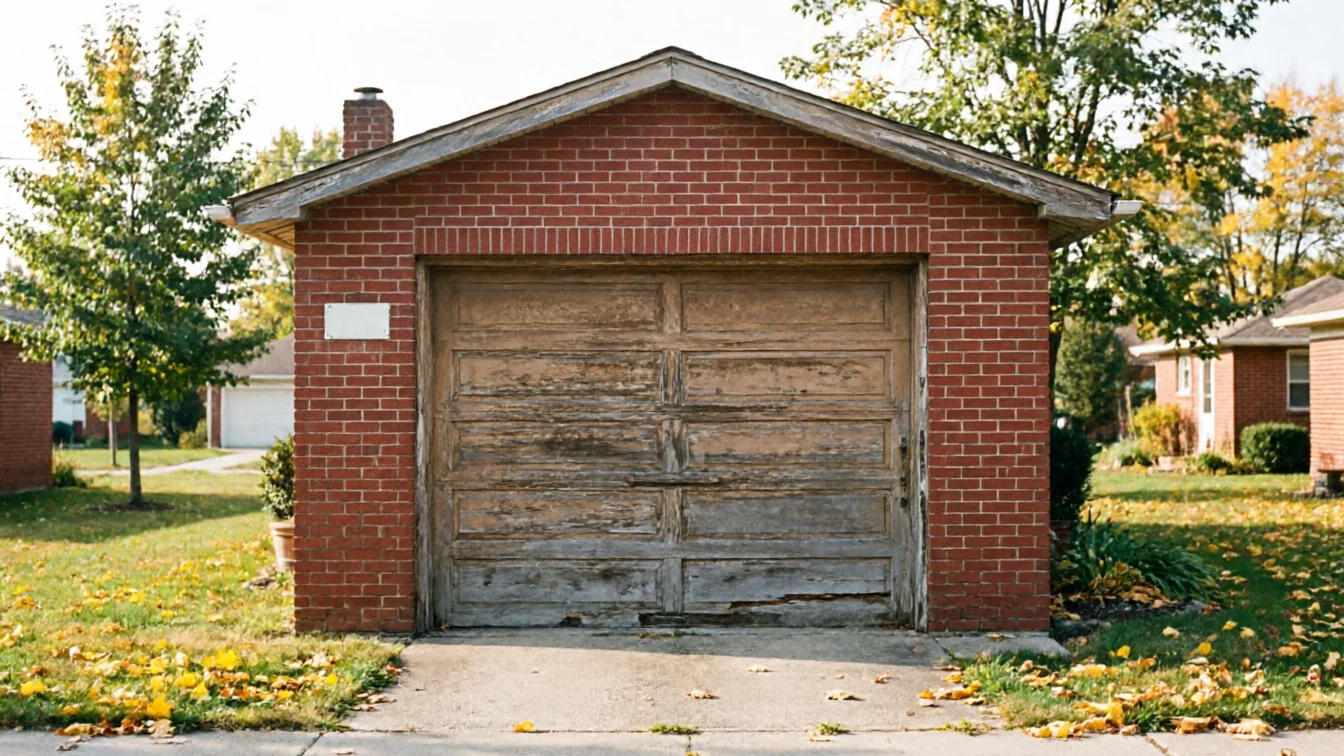
Plenty of doors from the 1960s and 70s stock common across this area are still doing their job. If the panel's straight, the springs balance the door's weight evenly, and the opener doesn't strain to lift it, there's no reason to touch it. We see original doors in houses built in the early 1960s that have had nothing more than a spring swap and new rollers over sixty years. Replacing a door that's mechanically sound because it's old is a waste of money. The honest limitation here: we can't tell you a door's exact remaining life from a description over the phone. Steel gauge, how it was stored, how often it's been cycled - all of that matters more than the year stamped on the sticker, if there even is one. What we can say is that a door holding its balance, closing square, and not groaning on the way up doesn't need replacing just because the house around it is pushing sixty years old. Fix what's actually wearing - a cable, a hinge, a seal - and leave the rest alone until something on it actually asks for attention.
What Local Conditions Do
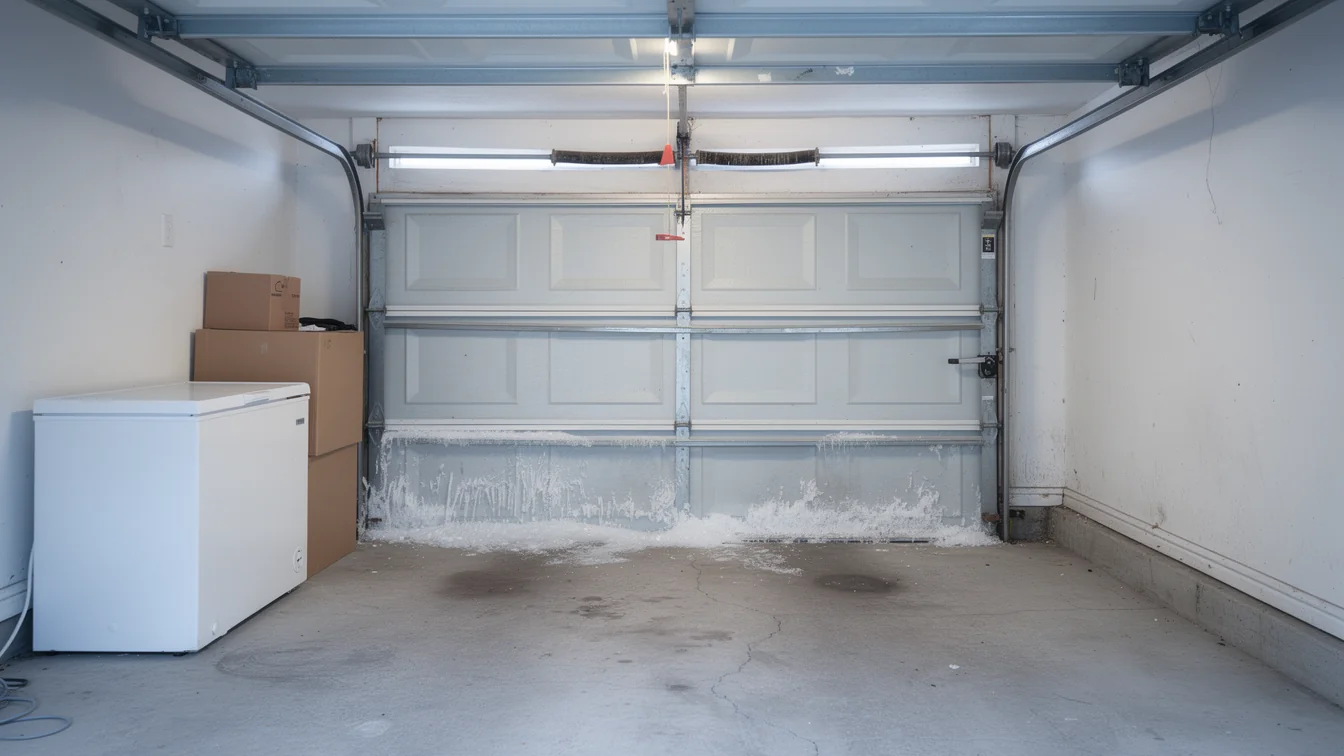
This area sits in a cold climate band with severe winter conditions, and that's harder on garage door hardware than most people expect. Steel contracts in deep cold, which tightens tolerances on tracks that were already set decades ago for a different season of weather patterns. Torsion springs lose a little tension every winter as the metal cycles through freeze and thaw, and that loss adds up faster on a spring that's already thirty or forty years old. Lubricant that worked fine in October turns thick in January, which is why a door that opened quietly all fall starts grinding the first real cold snap. None of this is unique to one house - it's what cold does to steel and grease, full stop - but it lands hardest on original hardware from houses built in the 1938 to 1994 window, because that hardware was never built with today's lubricants or coatings. If your door's acting up specifically when temperatures drop, that's not a coincidence. It's the cold finding whatever's already weak in a decades-old system.
What Is Going On
Across the service area, most houses - about 29,736 owner-occupied out of 47,943 households - are the kind of mid-century construction where the garage was built as an afterthought to the house, not a feature. Median household income here runs around $70,132, which puts most repair-versus-replace decisions in a real budget, not an either-or. That's the actual calculation: a spring job or a track adjustment costs a fraction of a new door, and if the panel and frame are sound, it's usually the right call on a house from this era. Replacement starts making more sense when the rust has gone through the steel, not just on it, or when the door's been rebuilt piecemeal so many times that nothing on it matches anymore. We don't have pricing to quote you here, and we're not going to guess at one. What we can tell you is that on a door that's original to a 1962-built house, the hardware is almost always the first thing to give out, not the panel itself, and that's usually fixable.
Talk to a local pro
Garage door trouble in North Canton?
Same-day service with honest, upfront quotes.