
Uniontown, North Canton
Broken Garage Door Spring Repair for Uniontown Homes
Uniontown's housing mostly dates to 1977, newer than the area's 1962 median, which changes what spring hardware you're dealing with. We cover the 6-mile run from North Canton.
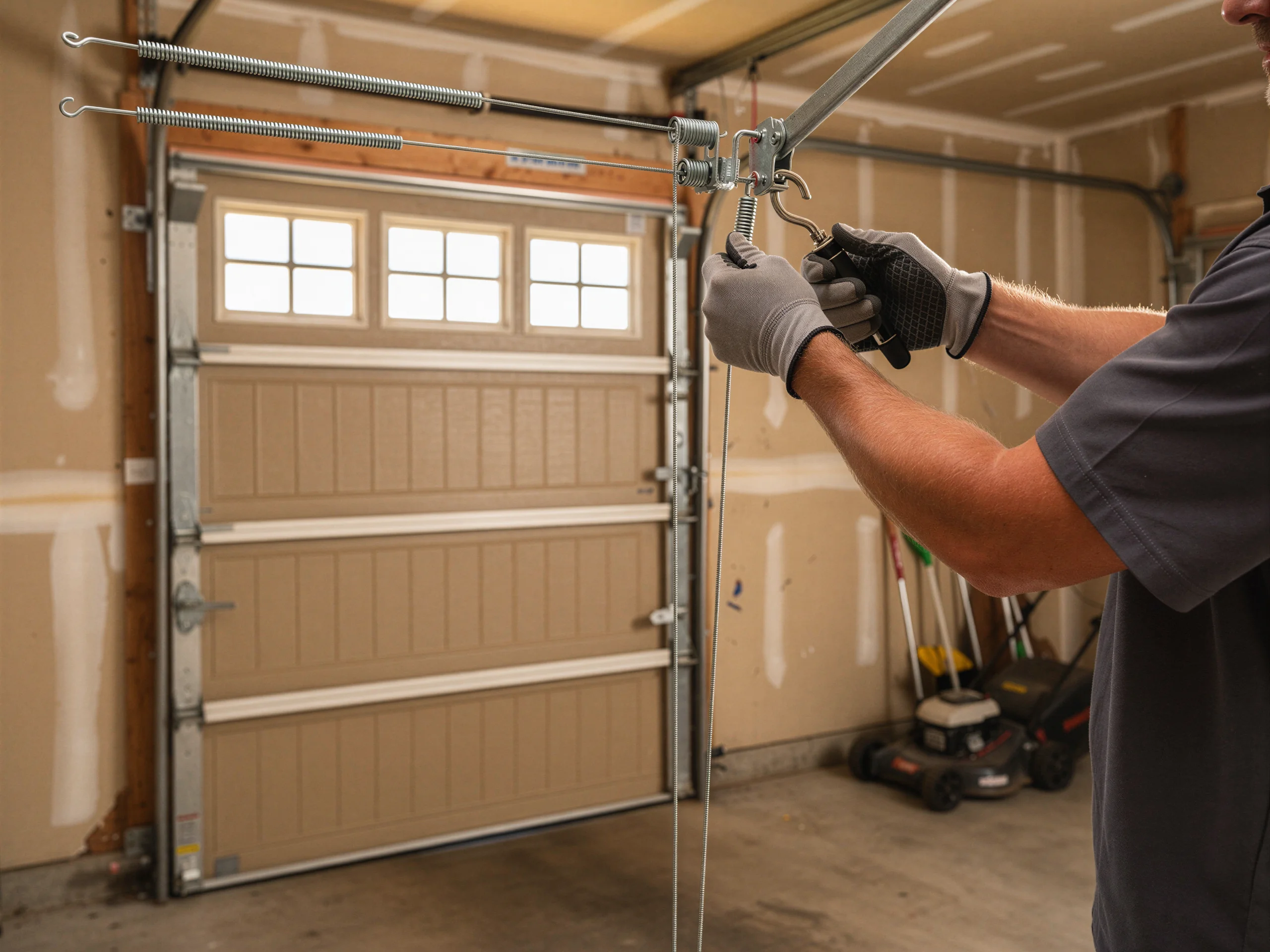
What You Pay
We don't post a flat number for Uniontown because spring jobs split two ways: a single torsion spring swap on a standard door, or a double-spring job where both have gone or are close enough that replacing one without the other just means a second call later.
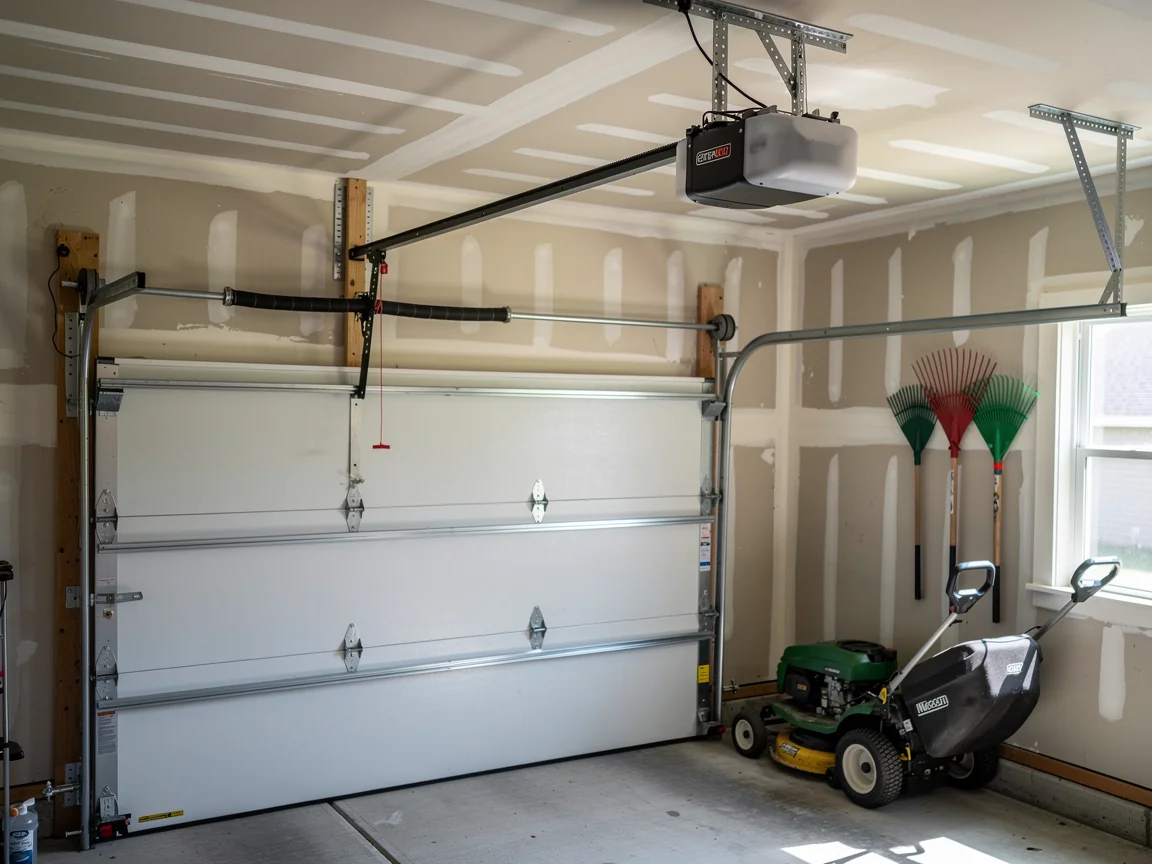
Center mounted torsion shafts
What we can tell you is that a house built around 1977 - which covers most of Uniontown - is more likely to have standard torsion hardware on a center-mounted shaft than the older side-mounted extension setups you still find on houses from the 1940s and 50s elsewhere in the service area.
Easier standard torsion parts
Standard torsion parts are easier to source and install than the oddball hardware on much older doors, which keeps the job simpler even if it doesn't make it free. Income here runs well above the service area median, but that doesn't change what a spring costs - parts are parts.
Quotes need width and count
We quote on the phone once we know the door's width, spring type, and whether it's one spring or two. We don't guess a price before we've seen or heard those details, and we'd rather tell you that than throw out a number we can't back up.
Getting It Booked In
Uniontown sits about 6 miles from our North Canton shop, which puts it closer to us than most of the towns we cover. That's not a promise about how fast we show up on any given day - we don't quote response times we can't guarantee - but it does mean a Uniontown call isn't a long drive tacked onto the schedule the way some of the farther towns are. We book by phone, not through a local office, since we don't keep a branch in Uniontown itself; the truck comes from North Canton every time. Tell us the symptoms - door won't open, loud bang then nothing, cable hanging loose - and we'll tell you whether it sounds like a spring, and roughly where in the queue we can fit you.
Can You Do This Yourself
A torsion spring is wound under enough tension to break a bone or worse if the winding bars slip, and that's true whether the door went up in 1962 or 1977.
Old springs stay dangerous
The age of the house doesn't make the spring safer to handle - if anything, a door that's never had the spring replaced is one where nobody alive has adjusted that particular coil before.
Extension spring flying risk
Extension springs on older doors are a different kind of risk: frayed cables, no safety containment on some installs, and a spring that can fly if it lets go.
Specialty tools required
We're not going to tell you it's impossible to do yourself - some people do - but the tools (winding bars, vise grips, a clamp on the track) aren't things most garages have lying around, and a trip to buy them usually costs more than the time saved. If you're set on doing it, at minimum get the spring size right first; a mismatched spring strains the opener and wears out fast.
How Long It Takes
A single broken torsion spring on a standard double door is a straightforward swap once we're on site - it's the kind of job the truck is stocked for. A job turns into two visits only when the door needs a part we don't carry, which is less common on Uniontown's newer stock than it is on doors from the service area's oldest neighborhoods, where original hardware sometimes needs parts nobody manufactures anymore. We're not going to give you a minute count here, because the honest answer depends on whether it's one spring or two, whether the drum or cable needs attention too, and whether the opener's travel limits need resetting afterward. What we can say is that most Uniontown jobs don't turn into return trips, because the hardware underneath a 1970s-built door is still something we stock.
What the Repair Takes
The job itself is mechanical, not mysterious: unwind the old spring safely, pull it, measure the shaft and door weight, set the replacement to the right wire size and wind tension, then run the door through a full cycle to check balance.
Mounting and tool differences
On a 1977-era house, that usually means a torsion spring on a center shaft rather than the side-mounted extension springs common on older stock elsewhere in the area - different mounting, different tools, same core risk if it's rushed.
Spring size on order
One honest limitation: if your door needs a spring size we don't have on the truck that day, we'll tell you rather than force a close-enough substitute, and that can mean a short wait on the part. We'd rather order the right spring than install one that's slightly off and have it wear your opener out in a year.
Why It Happens Here
Uniontown's housing mostly went up around 1977, a good 15 years newer on average than the 1962 median across the wider service area, which runs from older 1930s stock to newer builds across 27 named communities. That later build date means fewer of the original-to-the-house springs you'd find on a 1950s door, but it doesn't mean immunity - a torsion spring rated for 10,000 cycles still gets there eventually, and the clock started the day the house was built or the door was last replaced. The region sits in a severe-cold climate band, and repeated freeze-thaw cycles are hard on metal that's already fatigued; a spring that's been quietly losing tension for a few winters is more likely to finally let go on a cold morning than a mild one. That's true across the whole area, but on Uniontown's newer stock it usually means the spring is reaching end of life on a normal schedule rather than failing early from decades of corrosion.
Questions
Common questions
Why did my spring break in cold weather?
Cold doesn't cause the break by itself, but it's often the final push. Metal contracts in the cold and a spring that's already fatigued from years of cycling has less give left. The service area sits in a severe-cold climate band, and we see more spring failures in the first hard cold snaps than in mild stretches.
Do you have a shop in Uniontown?
No. We run out of North Canton, about 6 miles away, and drive to Uniontown for every call. There's no local branch or drop-off point here - just the truck coming from North Canton when you call.
Is a 1970s-built door's spring different from an older house's?
Usually, yes. Most Uniontown houses date to around 1977, which typically means a center-mounted torsion spring on a standard track. Older houses in the wider service area, some from the late 1930s, more often have side-mounted extension springs, which need different hardware and a different repair approach.
Should I replace one spring or both?
If your door has two springs and one broke, we'll look at the other one's condition and cycle count before deciding. Springs installed at the same time tend to wear at a similar rate, so replacing both at once is often the better call, but it depends on what we find when we're there.
Explore more
More Services in Uniontown
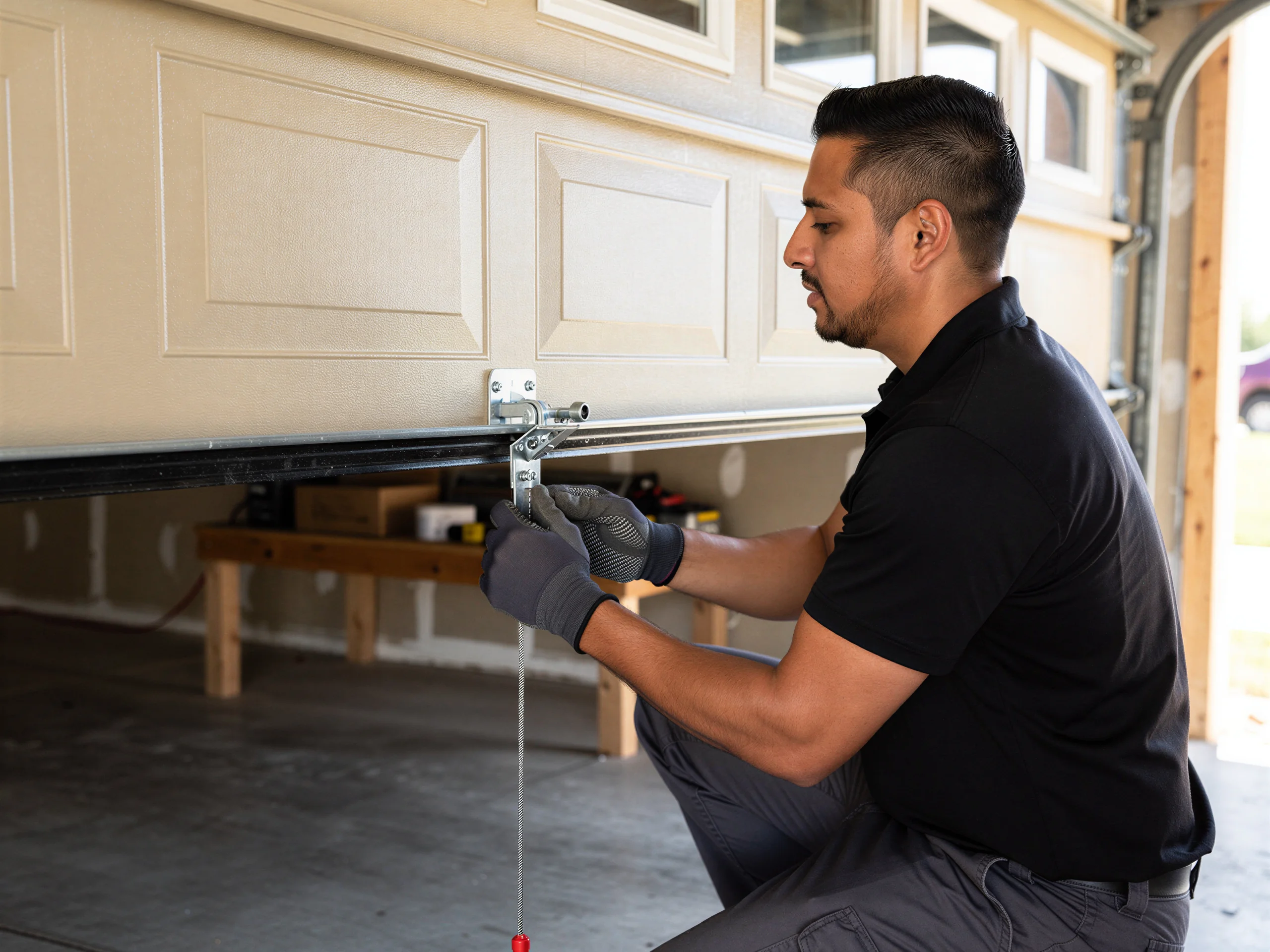
Cable Repair
Uniontown homes run newer than most of our service area, median build 1977. Learn more →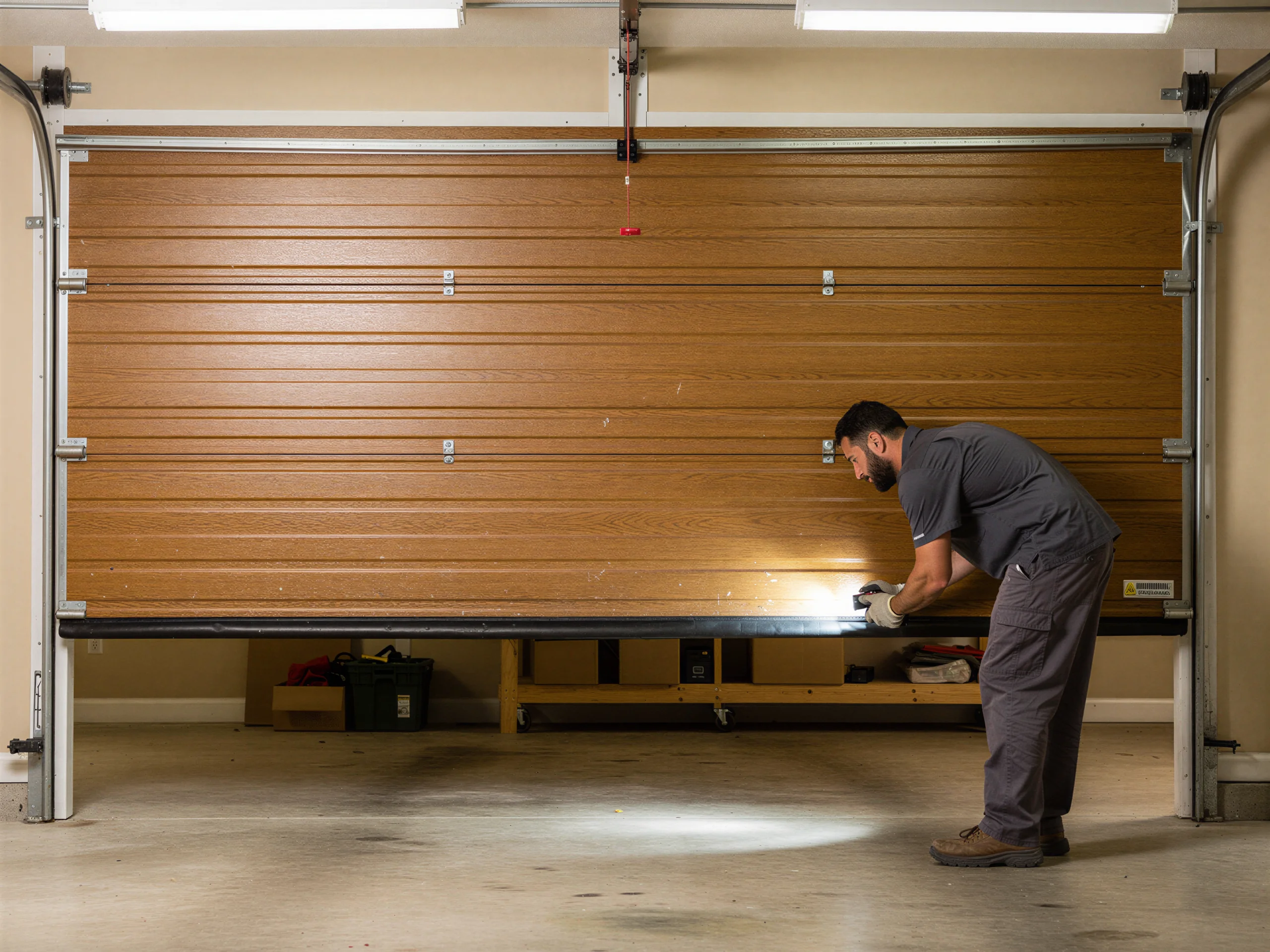
Garage Door Repair
Garage door repair for Uniontown, OH, six miles from our North Canton shop. Learn more →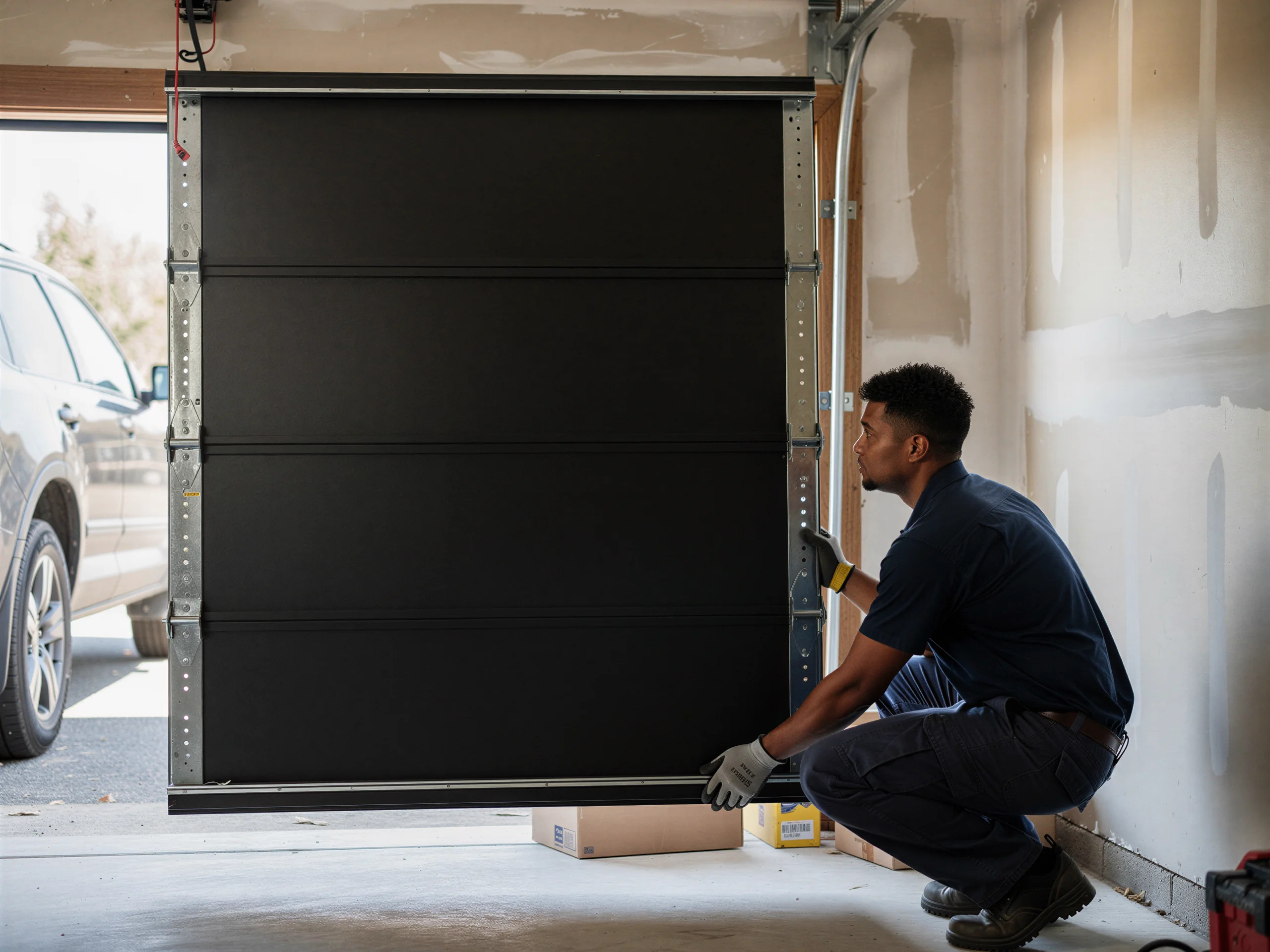
Garage Door Service
Uniontown's 2,744 households sit on newer stock than most of the area, built mostly in 1977. Learn more →
Maintenance
Uniontown homes mostly date to the late 1970s, which means different hardware than North Canton's older stock. Learn more →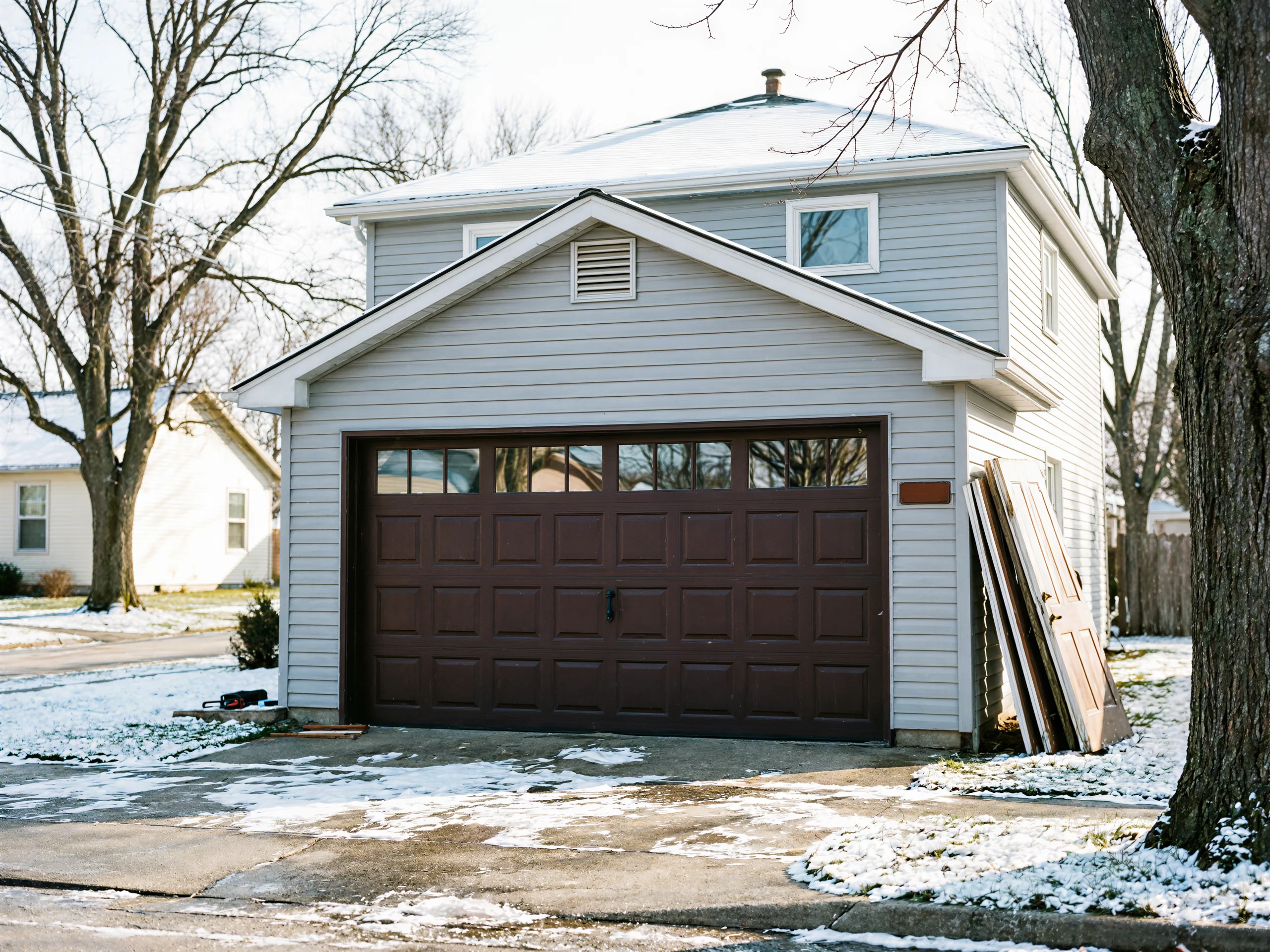
New Door Installation
Uniontown's median income tops $97,976, often tipping the call toward new doors over repair. Learn more →
Opener Installation
Uniontown's housing stock centers on 1977, not the 1960s stock common elsewhere in the territory. Learn more →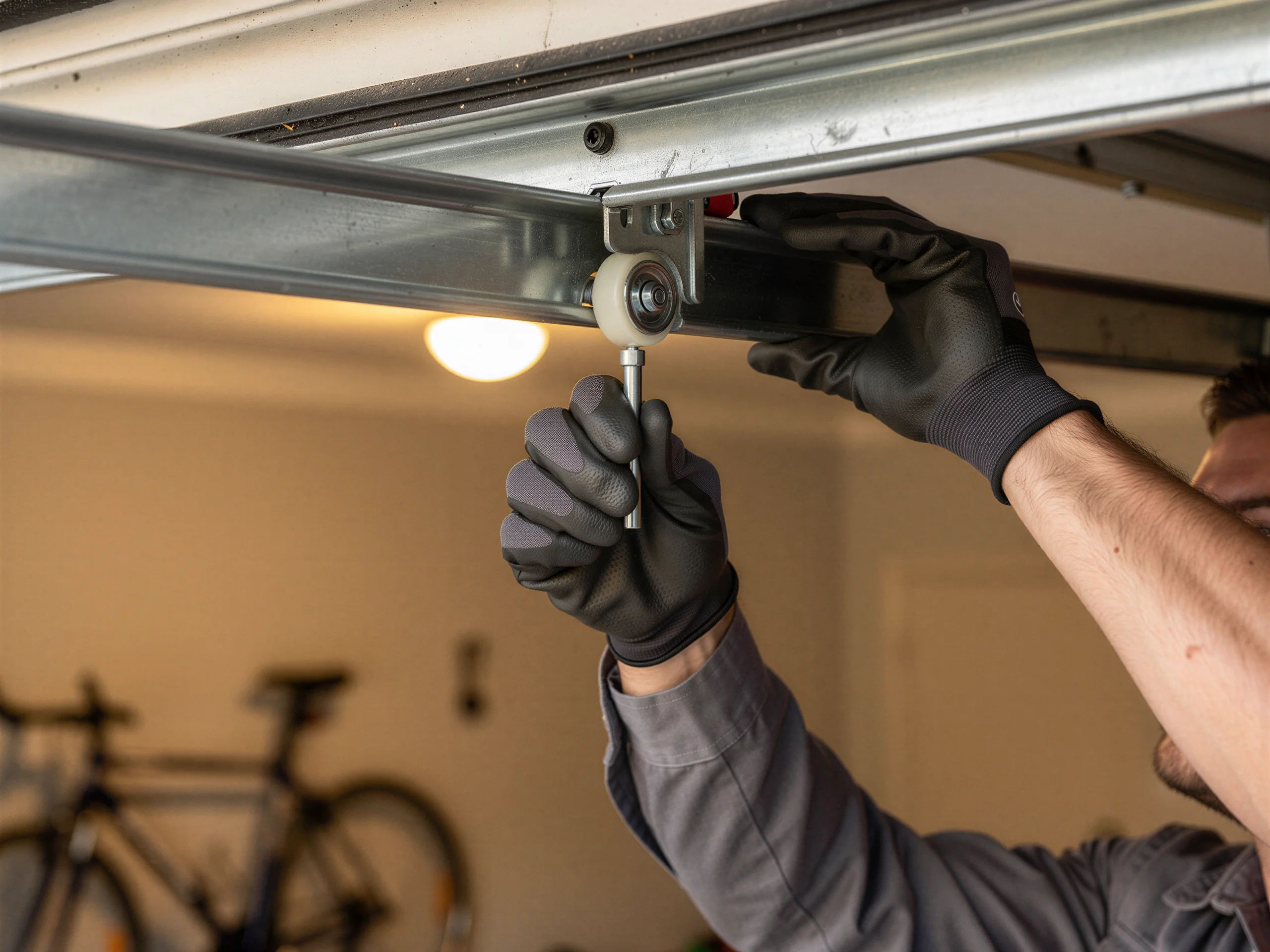
Roller Replacement
Uniontown homes median out at 1977, built with steel rollers that wear fast in cold-band winters. Learn more →Ready when you are
Need a garage door sorted in North Canton?
North Canton Garage Door Pros repairs and installs garage doors, springs and openers in North Canton, OH and the surrounding area.